Day Sixteen

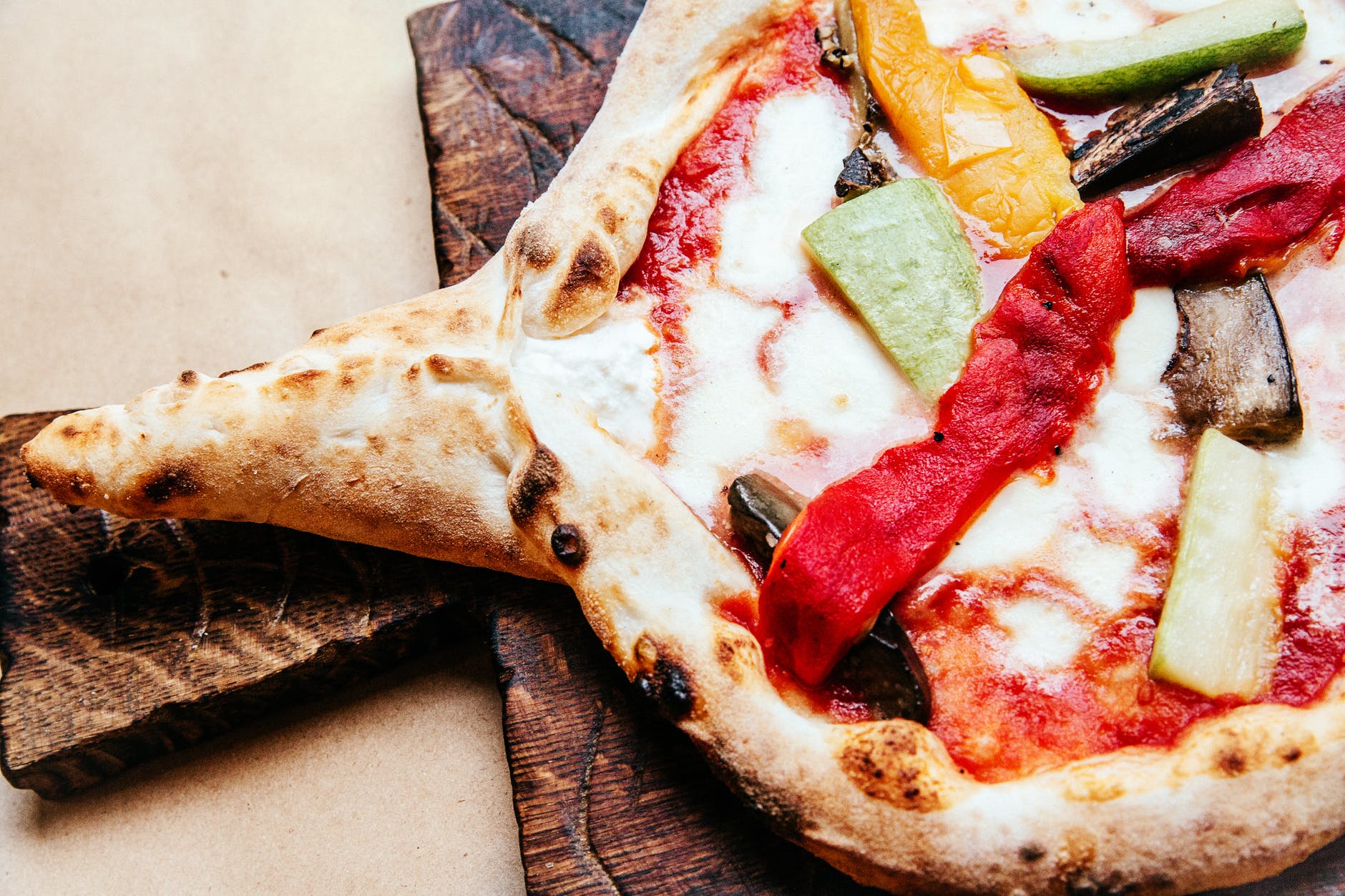
I’m rediscovering food. Love that for myself.

Photo by Ponyo Sakana on Pexels.com

I’m learning every day that I don’t know what I don’t know. I don’t know the extent of the options I have on a vegetarian diet, which makes this all the more exciting! I’m enjoying finding replacements for my favourite flavours, aromas and textures and ensure that I am satisfied in my experience of food.

How do I show my physical body respect?

I love my body. I keep it clean. I handle and treat my body with gentle compassion. I am attentive to its needs and do all I can to see to them as soon as possible. I drink lots of water daily, breathe deeply and to fill my lungs, and keep my skin moisturized. I also stretch to connect with my body in mindful movement, and I adorn my body with clothes and accessories I like.

Today, I had a veggie burger, fries and vanilla milkshake at midday, and a banana and dark chocolate in the afternoon.

– Lele M

Day Fifteen

A sixth of the way through.

Photo by FOX on Pexels.com

Here we are at the one-sixth mark of the 90-day challenge. I’m feeling especially grateful for having begun this effort. I couldn’t imagine being where I am today, let alone where I may be another 15 days from today. It has been a journey of grace in abundance – it has been God. Today, more than ever, I am all the more excited to see this commitment through.

Did I include foods I consider healthy, but I don’t enjoy?

Nope. I don’t typically eat food I do not enjoy. I think enjoyment of food, especially healthy foods, is vital and more easy to satisfy than people think. I suppose it helps that I really enjoy vegetables generally – particularly the green, leafy ones most people avoid.

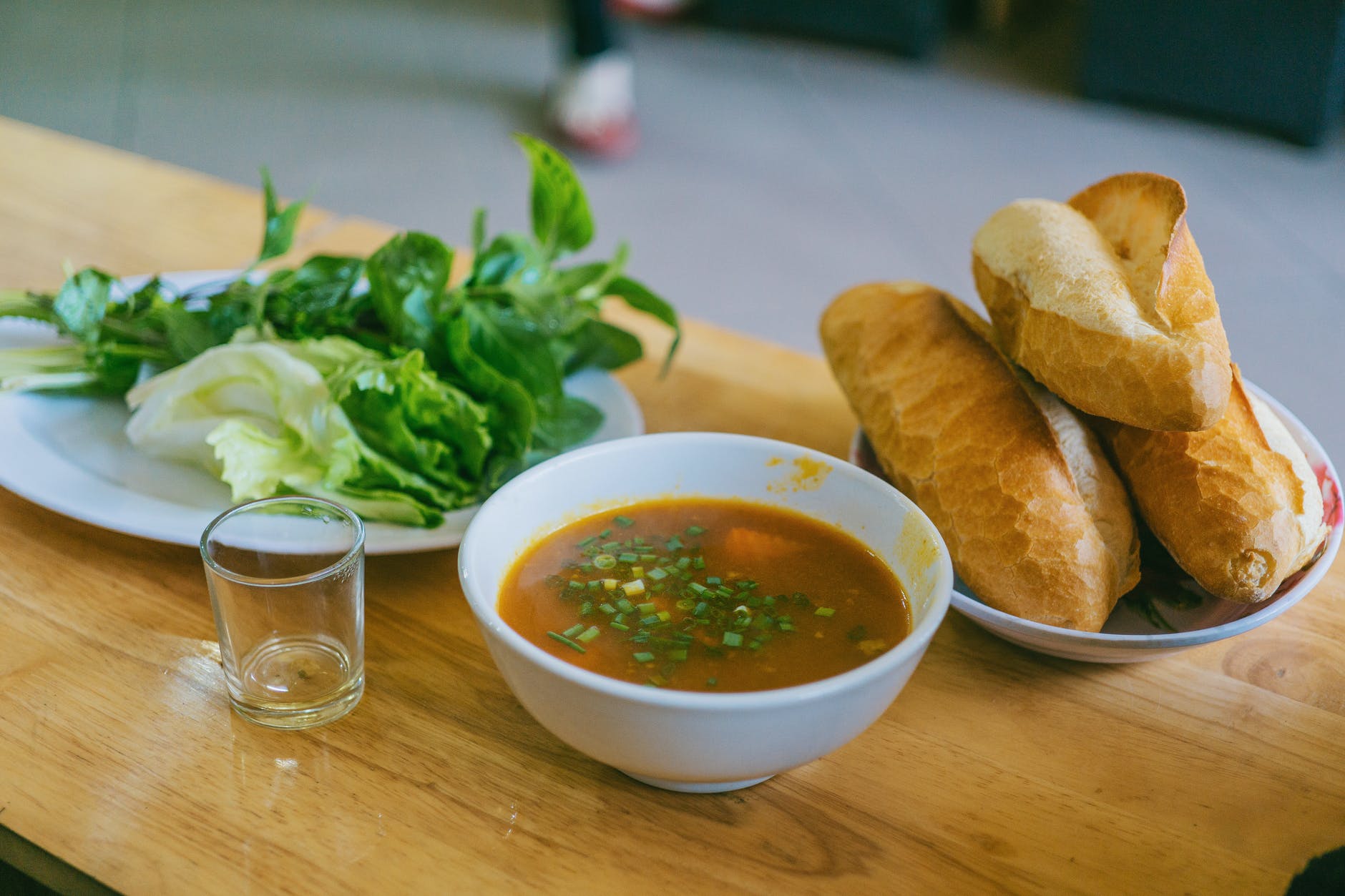
Today I had a bowl of vegetable soup at midday, and dark chocolate in the afternoon.

– Lele M

Day Fourteen

Like clockwork.

Photo by Cats Coming on Pexels.com

I am enjoying the routine check-in with this journal. I’m grateful for the constant accountability, it’s a reprieve.

What food do I love that loves me back?

Hm, I know this is a good question because it seems simple but I don’t have an answer off the bat. I’m having to dig. As someone who has had an iron deficiency, I think spinach is a food I love that loves me back.

Today I had a hearty vegetable soup with idombolo in the morning. I then had roasted garden mix and naartjies in the evening.

– Lele M

On the Wings of Grace

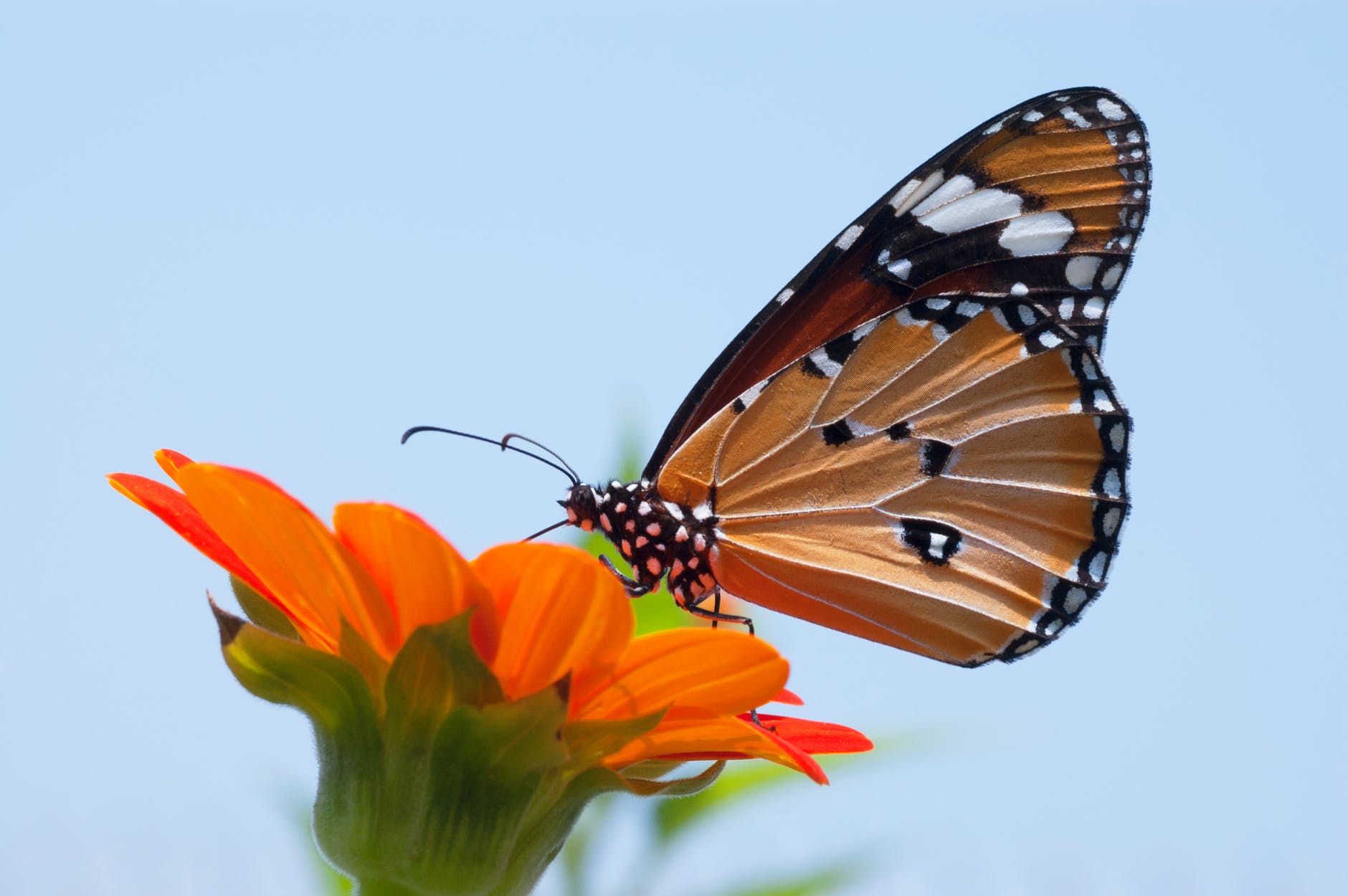
I find butterflies fascinating.

Photo by Debadutta on Pexels.com

I’ve never heard the insights of a butterfly. But if I were so fortunate as to have a conversation with a butterfly. In a world where I could, of course, meet with a butterfly for a chat. I imagine it would arrive punctually. Casually settling onto my forefinger as if coming home after an extended voyage. Not so much flying or fluttering as floating.

I’d immediately set out to study the details of the small creature with curious eyes. Would it consider that impolite?

I’d wonder the same things I always do. Do butterflies know how beautiful they are?

They don’t get to see their wings or get to consider their aesthetic value, let alone to perceive them as beautiful. Is that what humility is about?

I’d ask about the cocoon. “What’s it like?” I’d furrow a pair of quizzical eyebrows as I ask.

“I read somewhere that butterflies split open and lose their exoskeleton when they pupate,” I’d venture. “Does that hurt?”

I’ve always wondered what that time in isolation as a pupa must be like. Extraordinary, I imagine. Divine, definitely.

“Did you emerge as a clean slate?” I’d enquire with childlike wonder.

“As in, are you conscious of your previous caterpillar experience? Do you get to keep those memories?”

Butterflies are phenomenal. They get to have four lives – their four distinct stages of metamorphosis.

I’d probably also ask if it has ever been ashamed of its cocoon, or its previous caterpillar form. Are its wings a reminder of a darker, colder time of its existence? A time of unrealized potential that it would rather forget.

I imagine it would briefly flutter its wings, almost reflexively as it pondered the question for a moment. The whole world would seem to hold its breath in anticipation.

“I am a butterfly,” it would supply finally, matter-of-factly.

“When I emerge from the chrysalis, a matured version of my previous larval form, with a set of wings and no flight experience, I am surprising no one.”

Its antennae would be motionless, in the butterfly equivalent of a deadpan expression.

“I haven’t done anything extraordinary. In fact, I haven’t done anything at all. Let alone that which warrants shame.”

“My metamorphosis is not my work. It is simply the way of things. It is desperately unremarkable by the standards of my species. It is the rule.”

“Not only that,” it would add thoughtfully.

“Shame makes no sense because this is necessary. My wings are a mechanism for my protection, designed to intimidate and deter predators with their patterns and bright colours. They’re also my means of mobility, I cannot be ashamed of them. They are what allows me to continue my existence.”

I’d listen attentively, almost greedily. Focusing on the vivid horizon ahead of us and hanging on every word meditatively.

“Kind of like grace,” I’d offer after a while, deeply pensive and saturated in the moment.

It wouldn’t be until I turn for another glance at the splendor of those delicate wings that I would realize my index finger was no longer occupied.

“Of course,” I’d say, with an affectionate smile. “It was a weightless creature, I didn’t feel it lift off my finger. How long has it been gone?” I’d begin to wonder.

Then the air would fall still around me, as if all of creation were calling me to attention.

“Wings” I’d hear. “Kind of like grace.”

– Lele M
The Unconstrained Rainbow

Is the (radical) left likely to ever win an election?

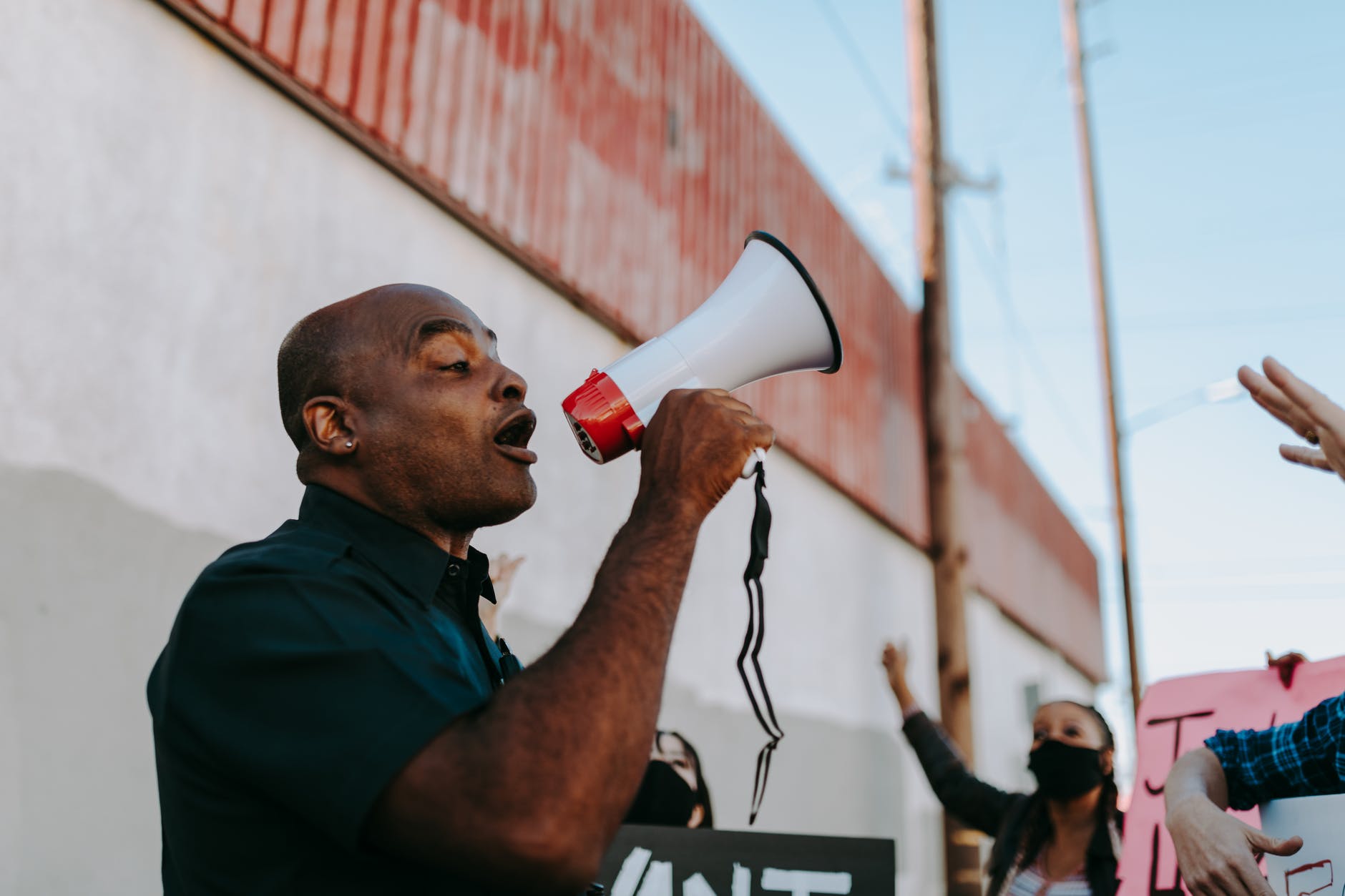
Photo by RODNAE Productions on Pexels.com

According to Thomas Sowell, in ‘A Conflict of Visions’, one of the two broad visions that underlie conflict in the world is the unconstrained vision. This vision sees human beings as capable of moral and social improvement.

Problems such as inequality and injustice are not permanent but can be overcome through reason, willpower, and transformative reform. Institutions and traditions are often seen as obstacles to progress. In South Africa, the popularity of the unconstrained vision is most evident in the growth and philosophy of political players such as the Economic Freedom Fighters, and Black First Land First.

How do the philosophies of these parties represent the unconstrained vision?

The unconstrained vision believes more in revolution than it does in reform. According to the unconstrained vision, current institutions and systems immanently problematic. They were designed that way. As a result, equal opportunity is not enough. Proponents of the unconstrained vision believe in such things as distributive justice – redistribution of wealth in the pursuit of ‘cosmic justice’ (Thomas Sowell).

The unconstrained vision sees the current sociopolitical and even economic systems as inherently flawed and proposes a solution which typically involves increased state capacity, state intervention, and state control of resources. As a result, the state in the unconstrained conception enjoys a more authoritarian role.

Why is leftist rhetoric attractive to South Africans?

Well, ideas on the far left of the economic spectrum tend to be utopian. South Africa has a population of over fifty million. As of 2016, the National Census reported 80.7% of people in South Africa were Black Africans, 8.7% were coloured, 8.1% were white, and 2.5 were Indian/Asian.

Meanwhile, the Marxist nature of the ideas on the South African left offer the vindication of naming and shaming the villain – the oppressor. The top five political parties according to the 2019 national election results were as follows. The African National Congress (ANC) enjoys first position at 57.5%, followed by the Democratic Alliance (DA) at 20.8%, the Economic Freedom Fighters (EFF) at 10.8%, the Inkatha Freedom Party (IFP) at 3.4%, and at number five is the Freedom Front Plus (FF+) at 2.4%.

Do South African’s necessarily find the unconstrained vision to be more persuasive?

Distinctively, the provincial election results of the Western Cape provide a contrasting picture. The DA takes the prime spot at 55.5%, the ANC comes in second at 28.6%, followed by the EFF at 4%, the GOOD party at 3%, and the African Christian Democratic Party (ACDP) also at 3%.

The Western Cape is of particular interest to me because (although it accounts for 11.3% of the national populace) the population demographics depict an interesting contrast to the national picture. The Western Cape is home to the largest population of coloured (47.5%), and white (16%) South Africans, across all provinces. Meanwhile, compared to the rest of the provinces, the same province is home to the lowest population of black Africans (35.7%) in South Africa.

Differences in language, religion, class, orphanhood, and education make these questions more complex and all the more worthy of attention. I’m curious to learn about and understand the peoples of this country. Who are they really? How do they live? What do they want?

I learned that every political question begins with a map, or a census. So let’s talk about it. What do all these figures mean? How, if at all, do they represent a contention of visions?

These are the questions I explore in the conversation which continues on the podcast. Join me there!

– Lele M

Day Thirteen

Self-control. A fruit of the spirit.

Photo by freestocks.org on Pexels.com

“Self-control is a fruit of the spirit. Self-control is a fruit of the spirit,” was my determined refrain while I cooked a beef stew for a special somebody today. I kid. Unsurprisingly, I didn’t crave the meat, nor did I have an impulse to taste it. Meanwhile, I prepared it with love, care, and a measured hand.

What type of movement brings me the most joy?

Types of movement which bring me joy are hiking, stretching, dancing, and running.

My meals today were; idombolo and vegetable soup in the afternoon, and dark chocolate in the evening.

– Lele M

Day Twelve

All protocol observed.

Photo by Jessica Lewis on Pexels.co

Today’s will be brief. Let’s get down to business.

Did I include food that I love and that makes me happy?

Yes. I do my best to include a variety of interesting taste combinations that I enjoy to my food options. I understand the value of using incentives to condition behaviour.

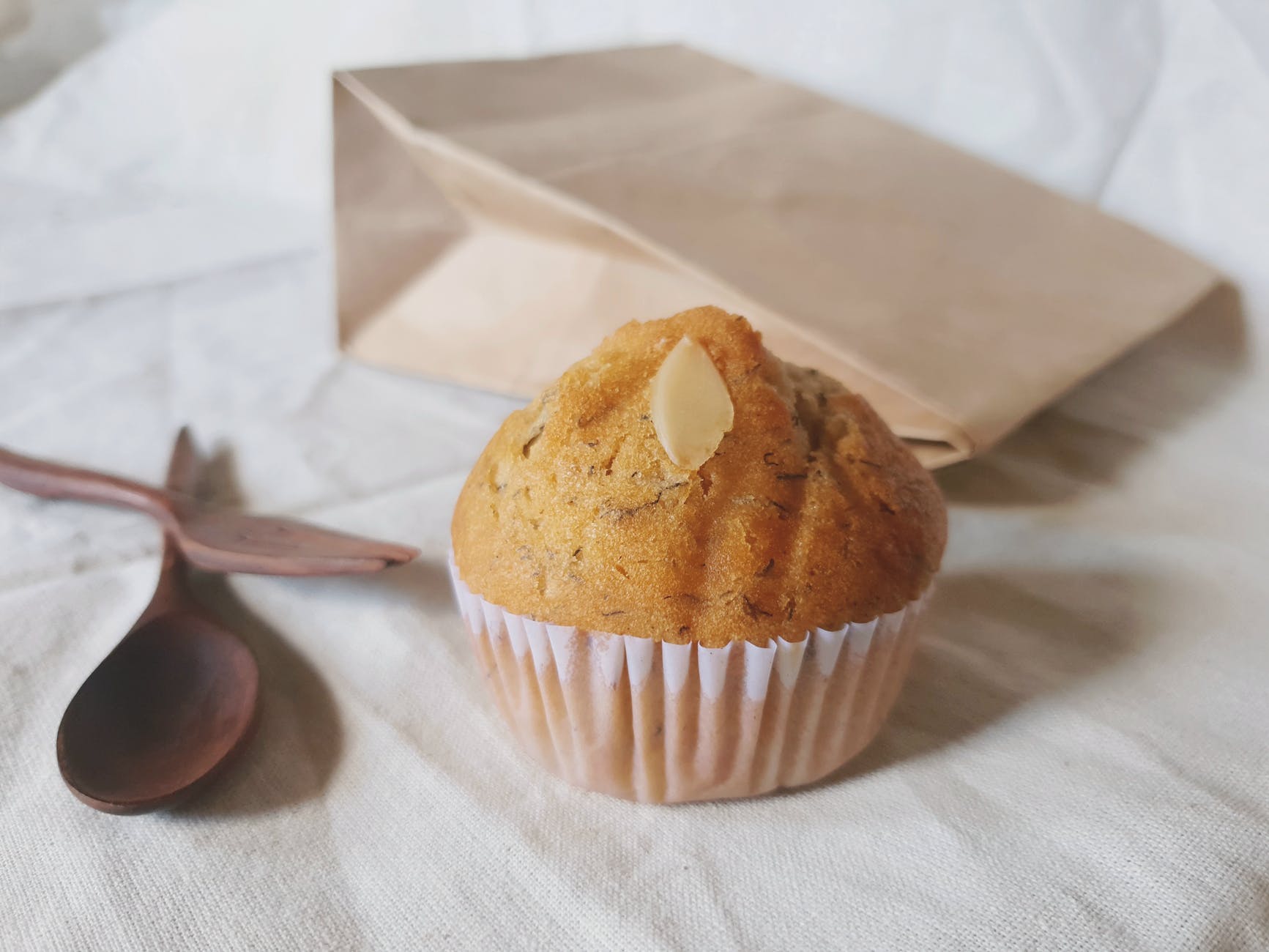
I had banana-oat muffins this morning, naartjies at midday, and vegetable soup in the afternoon.

– Lele M

Perfect Vision

Was blind, but now I see.

Photo by Emily on Pexels.com

A while ago, I wrote a piece about how the Bible dragged me, kicking and screaming, to the political and economic center. I titled it ‘Has Christianity Made Me More Conservative?’ because I set out to explore the transition of my econo-sociopolitical views. Particularly, the influence, if any, of my Christian faith in that respect. This piece will further that discussion.

In his book ‘A Conflict of Visions’ Thomas Sowell submits that an interest is distinguishable from a vision. A vision has to do with our perspective about the world and our place in it. It is concerned with what we believe about how the world works – the role of the individual and society. More importantly, visions are what we believe about how the world can, and indeed should, work.

To this end, Sowell observes and discusses two distinct visions under which many conflicts of conviction fall – the constrained vision, and the unconstrained vision.

Join me in exploring and understanding these competing visions over the next few weeks according to Sowell’s compelling account.

– Lele M

Day Eleven

How rigid is too rigid?

Photo by CHaLO on Pexels.com

I’m wondering whether I will be able to discern if and when my need for control and mechanisms for structure begin to be extreme. Even with a busy schedule, I still find myself feeling guilty for struggling to adhere to meal times. My appetite does not always coincide with my routine and often results in my eating meals outside meal times. On the other hand, I understand that a refined routine can change the game. So I am invested in making this work. I will persist.

What was I taught about food as a child?

I don’t remember being explicitly taught about food as a child. Though I appreciate that a lot of learning in the home happens through subliminally and through modelling by older members of the household. This was certainly the case with me.

Like many who grew up in working class homes, I learned that food is scarce. I will not always have it to eat. I also learned that the heavily stuffed feeling and bulging belly that came with overeating were not only an accepted standard for ‘fullness’. They were also indicators of the ideal mealtime experience. I learned that food could make me feel better, it could comfort me.

These are unhealthy beliefs about food. They have been instrumental in shaping my relationship with food well into my adulthood. It is these beliefs which I hope to shake out, confront, and dispel over this time.

Today, I had an egg and mayonnaise salad on bread in the morning, and banana-oat muffins in the afternoon.

– Lele M

Chapter I | The City and the Book


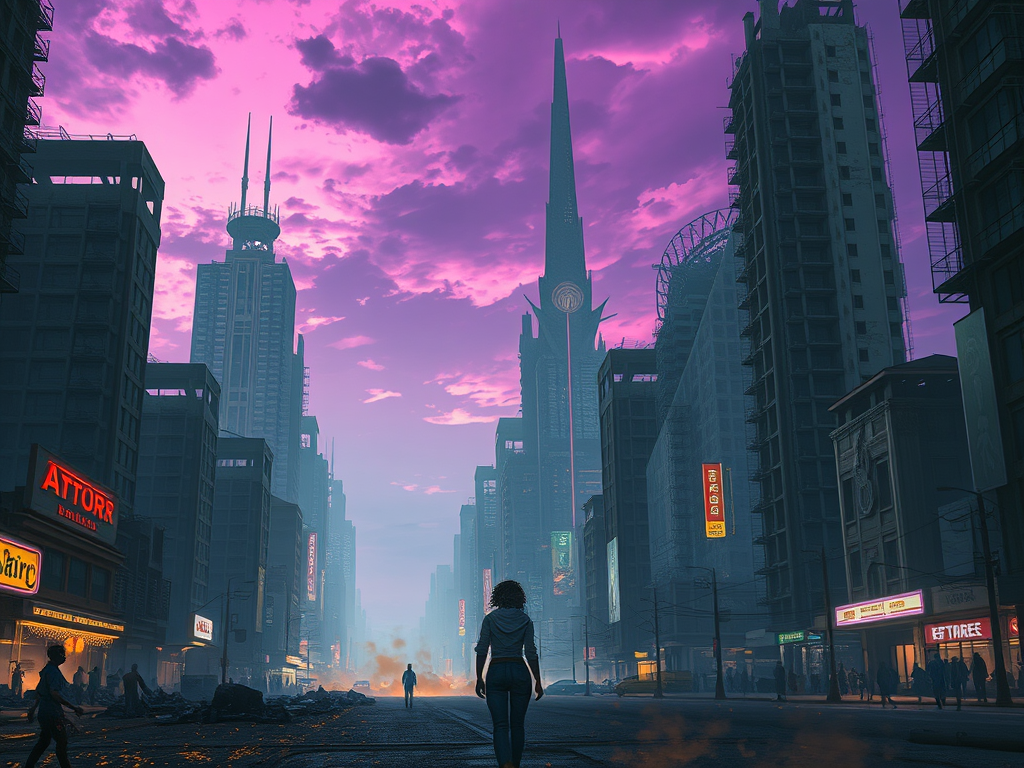
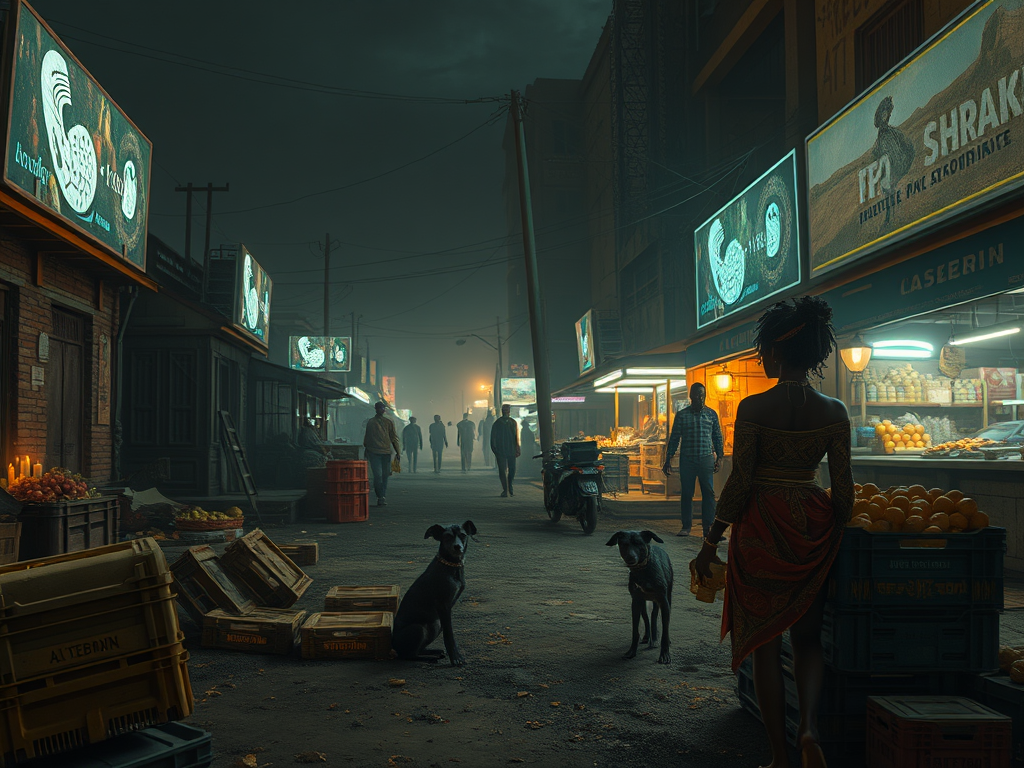
The city stretched like a wound under the morning haze—its skyline a crown of smoke and glass, its arteries clogged with restless metal. The air was thick with the perfume of grease, exhaust, and despair. 

Billboards blinked the faces of false prophets and fast food messiahs, while children in tattered uniforms waited for taxis that never came. It was a city that had once promised liberation and rebirth, but now, its promise had fossilised into slogans. Johannesburg was no longer gold—it was rust.


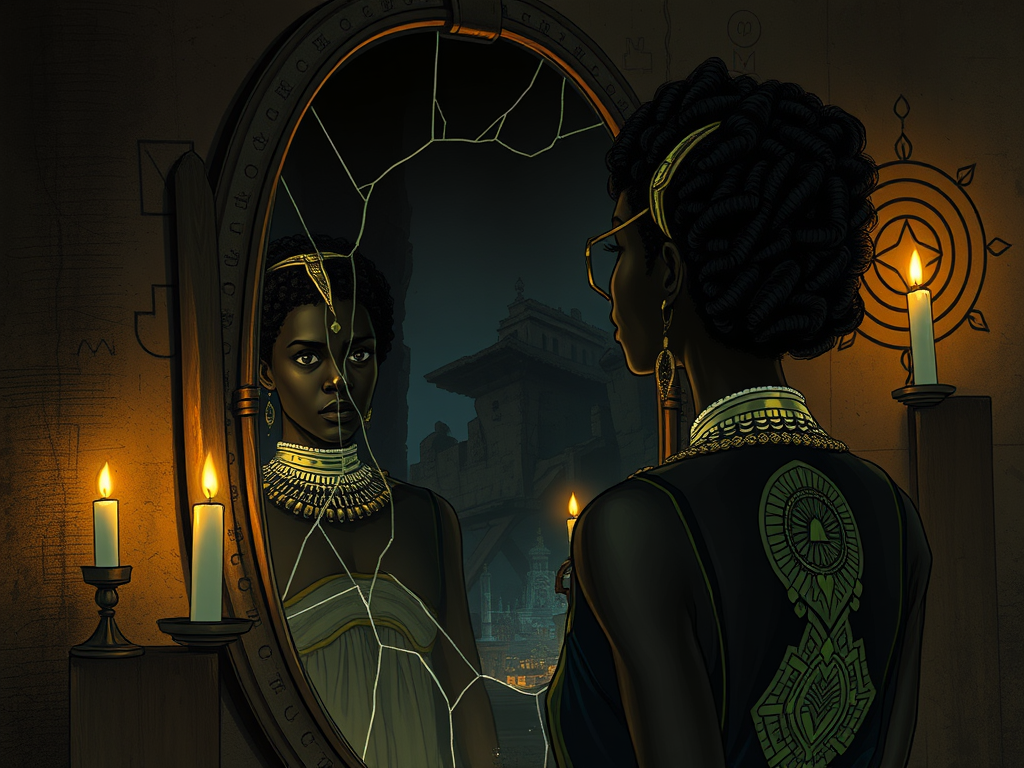
At the heart of it, Noluntu moved through the crowds like a ghost unsure of its own existence. Her steps were steady, though her mind was fogged with fragments of another life—dreams, half-memories, visions she could not name. The book was the only thing she trusted. She had found it one morning beside the ruins of her apartment block after the fire. Everything else—furniture, clothes, photographs—had been consumed. Only the book remained, its leather cover unscathed, its pages faintly perfumed with myrrh.

The first line she read was not written in ink, but etched like a whisper in her mind:
“Remember, child of the Covenant, for forgetting is the first death.”

Since then, the city had changed shape around her. She saw symbols where others saw smog: the flicker of a neon sign became a shofar’s call; the drones above her resembled locusts. She thought she might be going mad. But madness had its rhythm, and hers danced to the pulse of prophecy.


The book spoke of Africa as a sleeping lion—its mane matted with the sins of its children, its roar silenced by foreign tongues. It spoke of kingdoms buried under bureaucracies, of altars desecrated by ambition. It spoke of her—though she did not yet understand how. Each night, she wrote in the margins as if in conversation with the unknown author. Each morning, new words appeared that she did not remember writing.

Outside her window, the people of the city hurried to survive. Fast food stalls glowed under the weight of neon scripture: “Taste & See: 99c Miracles!” Dating apps glimmered with filtered faces, avatars that blinked prayers for validation. Children filmed their poverty for views. Pastors advertised deliverance by subscription.
It was Revelation rewritten as reality TV.


And yet, somewhere between the advertisements and the hunger, she sensed holiness. Not in the churches, but in the quiet defiance of mothers braiding their daughters’ hair before dawn. Not in the noise of politicians, but in the stillness of taxi drivers who hummed hymns at red lights.

Her world was fractured, but something ancient called to her from the fragments. The name Noluntu meant “of the people.” She had forgotten who those people were—but perhaps the book would remind her.