Yena Aya Kwini

Zanele*

Friendship is important. Individuality and independence is important too. Growing up, my church instilled values of aspiration to marriage. I have come to appreciate the idea of platonic soul mates.

What are your thoughts on ‘it will end in tears’?

So what if it ends?

And your thoughts on closure?

In my experience the idea of closure has not been useful. You cannot force the other person to care.

*not her real name

Yena Aya Kwini: Abstract

What are good reasons to get into a relationship?

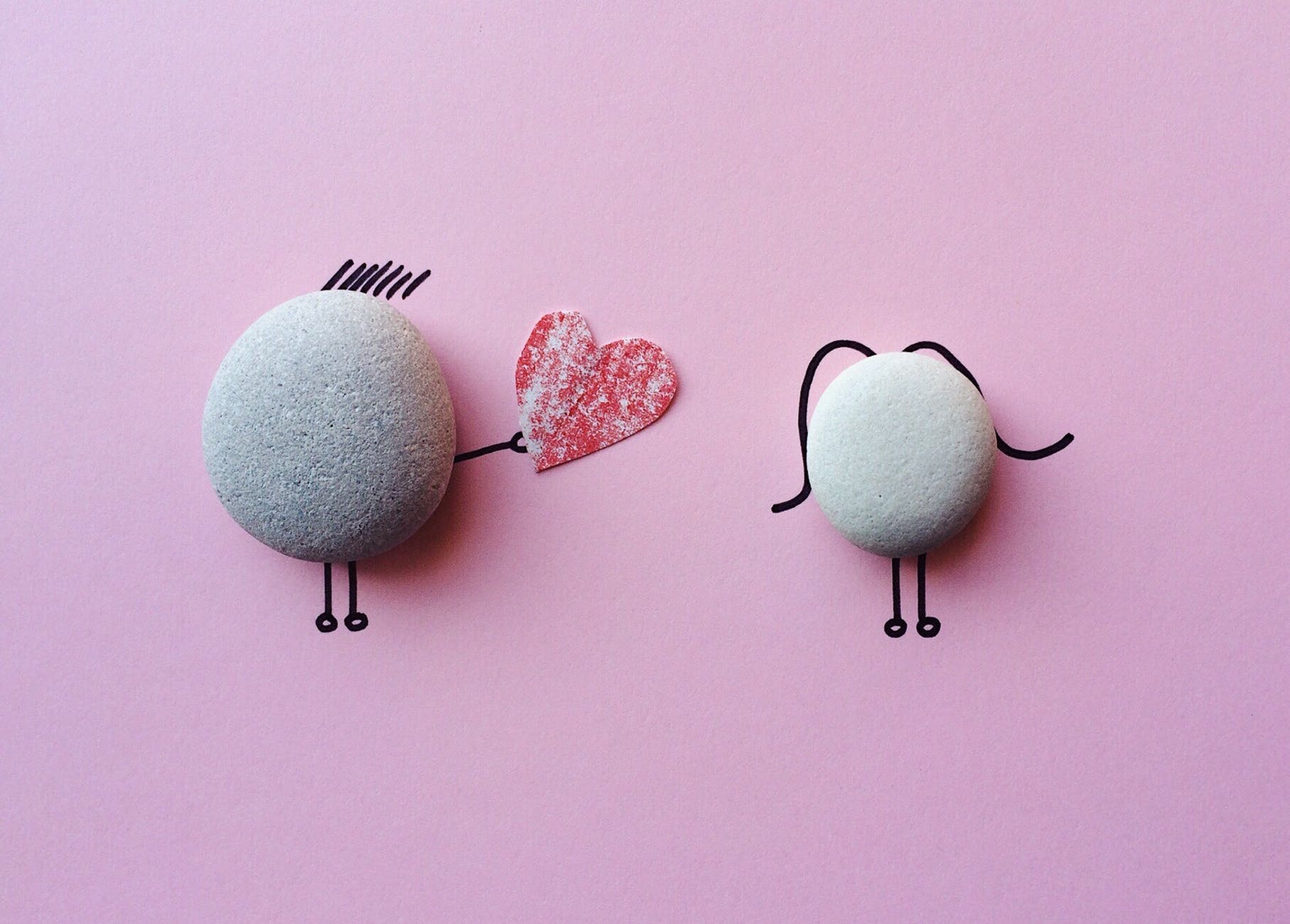
Photo by Ian Vedette Kafuna on Pexels.com

A few weeks ago I had a conversation which has borne this piece. The part of that conversation which made an impression on me was a simple question. What reasons do I have to be in a relationship?

In the first instance, the question presumes the existence (and necessity) of ‘reasons’ to be in a relationship. As such, the question is loaded. Secondly, the word ‘reasons’ requires qualifying. A useful definition would be any causes or motivations. Put differently, what motivates my desire to be in a romantic relationship?

To answer this question, there is as much value in looking outward as there is in looking inward. I prefer to learn from the stories of the people around me. Thus, I contemplate this and other related questions with a dynamic sample of young people throughout the next few weeks.

– Lele M

On the Wings of Grace

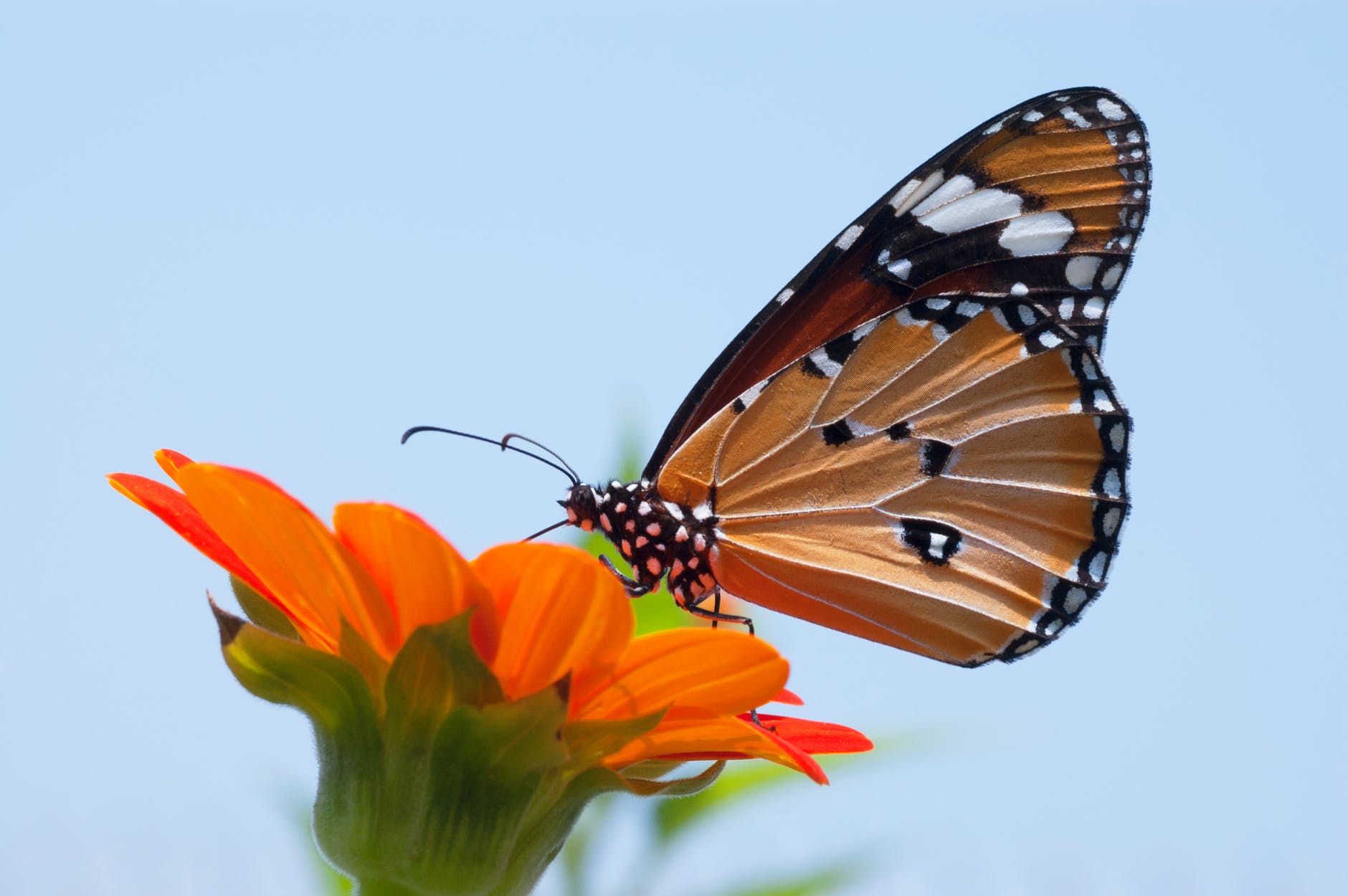
I find butterflies fascinating.

Photo by Debadutta on Pexels.com

I’ve never heard the insights of a butterfly. But if I were so fortunate as to have a conversation with a butterfly. In a world where I could, of course, meet with a butterfly for a chat. I imagine it would arrive punctually. Casually settling onto my forefinger as if coming home after an extended voyage. Not so much flying or fluttering as floating.

I’d immediately set out to study the details of the small creature with curious eyes. Would it consider that impolite?

I’d wonder the same things I always do. Do butterflies know how beautiful they are?

They don’t get to see their wings or get to consider their aesthetic value, let alone to perceive them as beautiful. Is that what humility is about?

I’d ask about the cocoon. “What’s it like?” I’d furrow a pair of quizzical eyebrows as I ask.

“I read somewhere that butterflies split open and lose their exoskeleton when they pupate,” I’d venture. “Does that hurt?”

I’ve always wondered what that time in isolation as a pupa must be like. Extraordinary, I imagine. Divine, definitely.

“Did you emerge as a clean slate?” I’d enquire with childlike wonder.

“As in, are you conscious of your previous caterpillar experience? Do you get to keep those memories?”

Butterflies are phenomenal. They get to have four lives – their four distinct stages of metamorphosis.

I’d probably also ask if it has ever been ashamed of its cocoon, or its previous caterpillar form. Are its wings a reminder of a darker, colder time of its existence? A time of unrealized potential that it would rather forget.

I imagine it would briefly flutter its wings, almost reflexively as it pondered the question for a moment. The whole world would seem to hold its breath in anticipation.

“I am a butterfly,” it would supply finally, matter-of-factly.

“When I emerge from the chrysalis, a matured version of my previous larval form, with a set of wings and no flight experience, I am surprising no one.”

Its antennae would be motionless, in the butterfly equivalent of a deadpan expression.

“I haven’t done anything extraordinary. In fact, I haven’t done anything at all. Let alone that which warrants shame.”

“My metamorphosis is not my work. It is simply the way of things. It is desperately unremarkable by the standards of my species. It is the rule.”

“Not only that,” it would add thoughtfully.

“Shame makes no sense because this is necessary. My wings are a mechanism for my protection, designed to intimidate and deter predators with their patterns and bright colours. They’re also my means of mobility, I cannot be ashamed of them. They are what allows me to continue my existence.”

I’d listen attentively, almost greedily. Focusing on the vivid horizon ahead of us and hanging on every word meditatively.

“Kind of like grace,” I’d offer after a while, deeply pensive and saturated in the moment.

It wouldn’t be until I turn for another glance at the splendor of those delicate wings that I would realize my index finger was no longer occupied.

“Of course,” I’d say, with an affectionate smile. “It was a weightless creature, I didn’t feel it lift off my finger. How long has it been gone?” I’d begin to wonder.

Then the air would fall still around me, as if all of creation were calling me to attention.

“Wings” I’d hear. “Kind of like grace.”

– Lele M

A Lover’s Recompense

To be, or not to be.

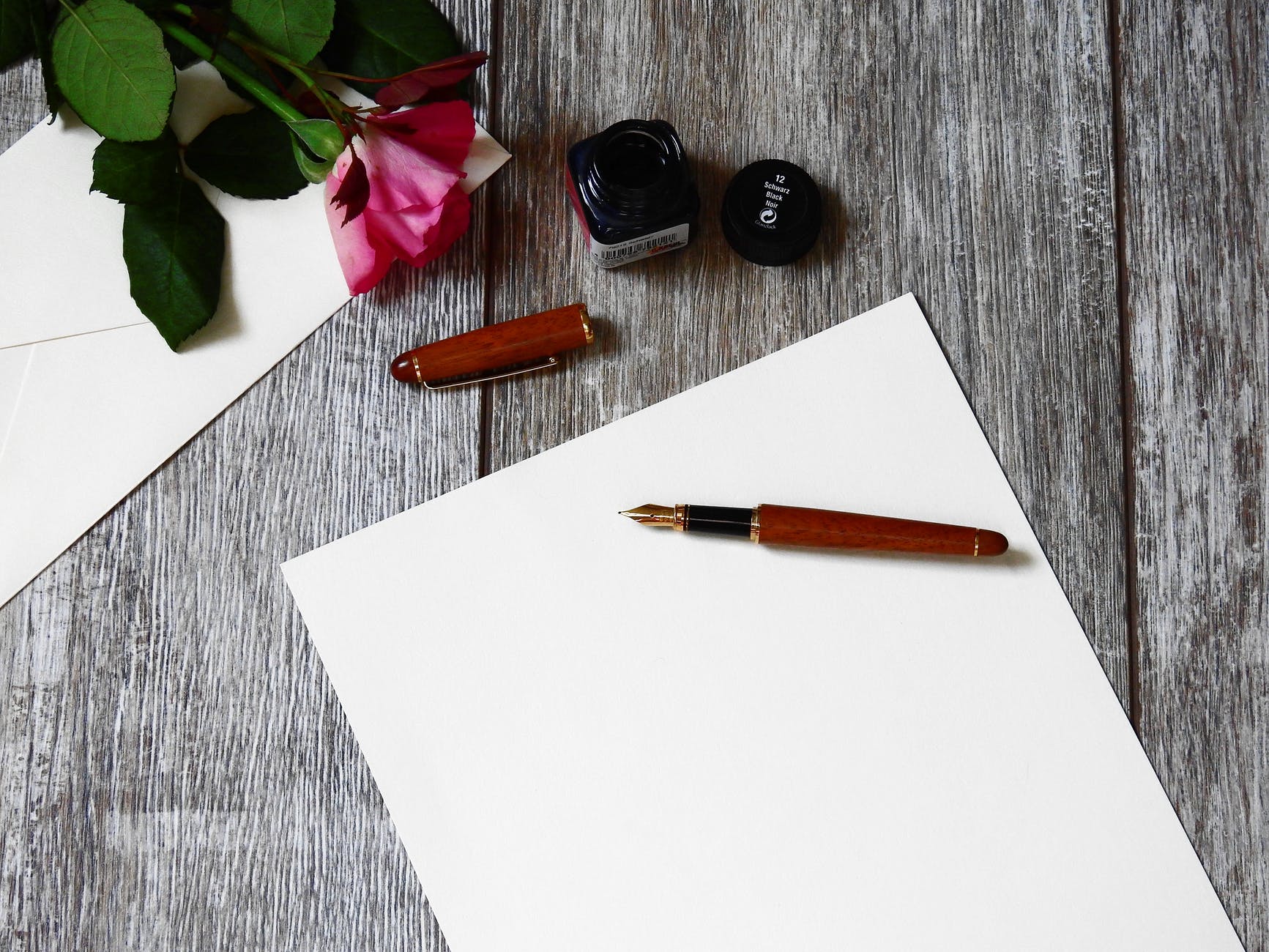
Photo by Pixabay on Pexels.com

23h53, the clock read.

It was almost midnight, she had writing to publish, judgments to read, and she was getting irritable. She’d been sitting at her desk for hours but suddenly the hum of the small fan heater at her feet seemed to be getting louder.

Why couldn’t she just figure it out?

After the break up, the one that broke her, she’d vowed to protect her herself ferociously from the affections of her heart.

In general, she’d found, hearts offer direction that is scrupulous at best. And hers in particular had a record of impossible obstinance and idealism to her detriment – her very undoing.

She stopped typing, a pair of hesitant hands hovering over the surface of the keyboard. She shook her head at the memory of pain and the fire that had refined her, as if the action alone would wipe the memories clear.

Since then, since that devastation, she’d sworn an oath on the scars that lined her forearm. Never again, went the pained promise, would she allow herself to be so consumed with the idea of the love of another that she lost her way, or her reflection became unrecognizable. She knew now just how treacherous the heart could be.

She’d even compared her previous (not-so-romantic) relationships to the story of Hansel and Gretel. After all, it was the children’s own affections and greed which had deceived them, she thought. Their desire for more crumbs meant they only looked up long enough to see the next crumb a short distance away, and then the next one after that, and so on. But never looking further to discern how far astray they were being led.

In fact, she opined, something could be said about that – the potency of instant gratification in affirming a myopic perspective.

Could that be what was happening now, between her and the man with the bottomless eyes?

She knew she loved him, perhaps even that she wanted to be with him in a doing-life-together kind of way. And to his credit, he’d been frank about his feelings and intentions for her since they met years ago. Unfortunately, years had passed before they were be able to contemplate earnestly the prospect of being together.

In a cruel irony, the years had taught her, among other things, no longer to trust (her) feelings. Sometimes, when he speaks about wanting her to love with vulnerability, she feels those years as a physical distance between them, and her heart groans with grief.

Now, she lifts the frame of her spectacles with the back of her hand to perch her glasses atop her head, and rubs her eyes generously.

02h31, the clock declared.

After a deep sigh, she rubs her temples and recalls an afternoon when it was his temples her fingers caressed, his head laying in her lap, eyes shut gently against the sun. Both of them submersed in a comfortable stillness. Neither one of them daring to speak over the sound of peace.

Sometimes, when I think about the books of the Bible, I marvel at the vast variety of wisdom contained in the Old Testament alone. I am stupefied. From the Levitical law, chronicles of the kings of Israel, to profound Psalms, and lamentations of the great prophets. It is these times when I consider Song of Songs.

From my reading of it, Song of Songs is a book about love, passion, and purity between lovers – whom many believe are King Solomon and the Queen of Sheba. Recently, I have been thinking about the haunting refrain in the story of these lovers; “Do not awaken love before its time.”

To be or not to be? The question (which, thankfully, was never mine over which to agonize) has already been answered. Mine is to submit.

– Lele M
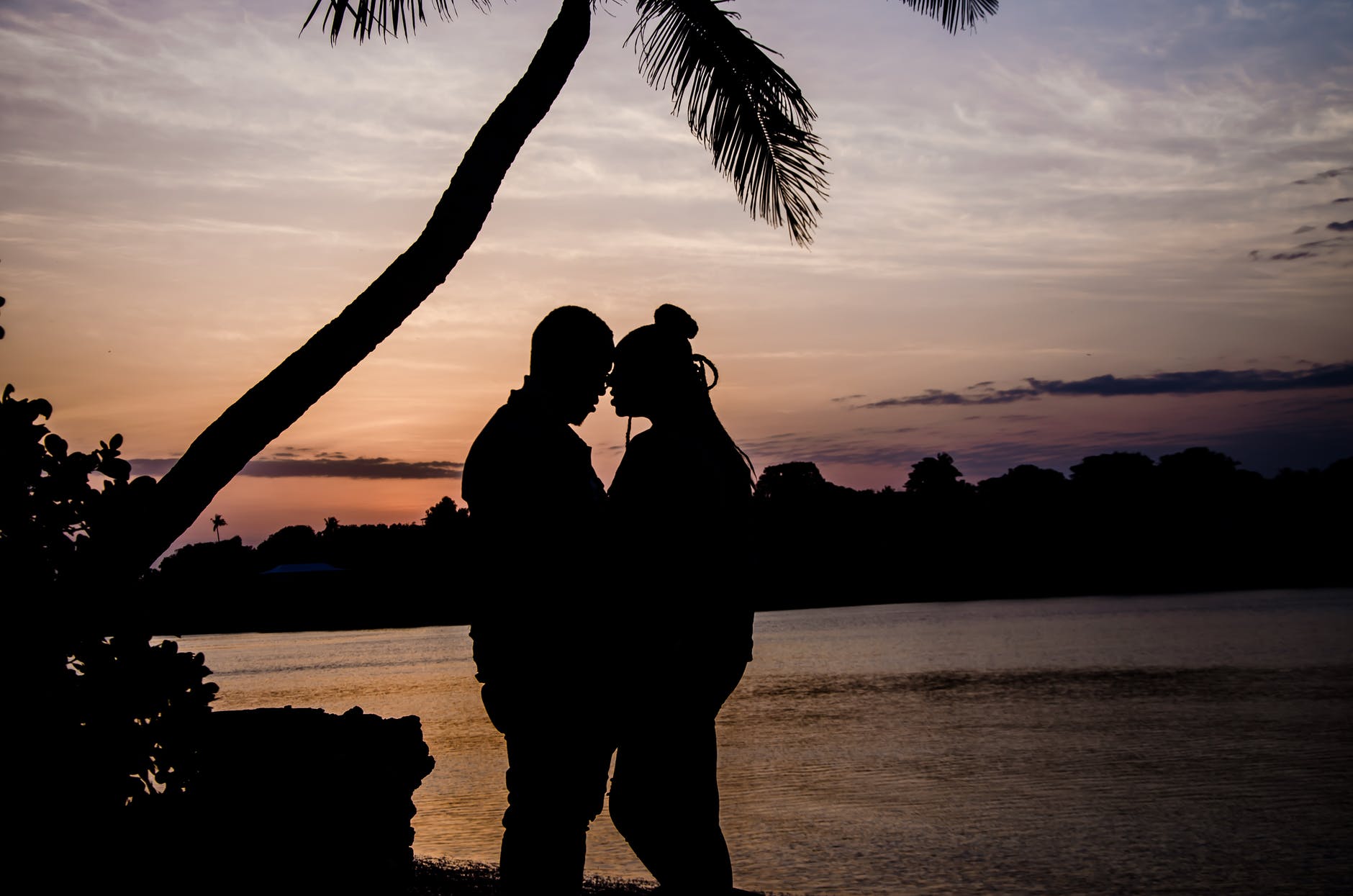
Called to Courage

I don’t even know if this counts as writer’s block.

Photo by Pixabay on Pexels.com

It feels like it. I’m bloated with ideas and an enthusiasm to share them. However, try as I might, there is an obstinate cork comfortably secured at the neck of my vessel. I can’t get it out. I simply don’t know where to start, or how to organise what I offer. It’s as though I’m over-inspired. I’m a deer caught between the blinding headlights of the blank screen with the incessantly blinking cursor. I feel like there’s something about the way the cursor flashes only when it is stationary that mocks the rate at which I’m typing.

What I know for sure is that my imagination is aroused and similarly, my desire to write has been piqued. I wonder what the great writers whose work I’ve encountered would advise me in this instance. What would Wilbur Smith say to offer comfort? Perhaps something unassuringly simple like “just start” or “trust your instinct.”

Instead, the advise I’d love to receive would be from the prophet Isiah. I want to write like the prophet Isiah. Notably, the life led by Isiah was one of absolute submission to the will of God. Isiah’s encounter with the splendor and holiness of God changed the course of his service and life’s work. But he could not be commissioned before the lesser version of himself died when the searing coal touched his unclean lips. And if Isiah’s hefty contribution to old testament scripture is anything to go by, he’s the right person to help me to overcome the fear of the blank page.

I wake up daily feeling as though an outdated version of myself is wrestling for relevance with the woman I am becoming. There is no question as to which version of me will emerge the victor. I have a favourite, and I’ve placed my bets on her.

– Lele M

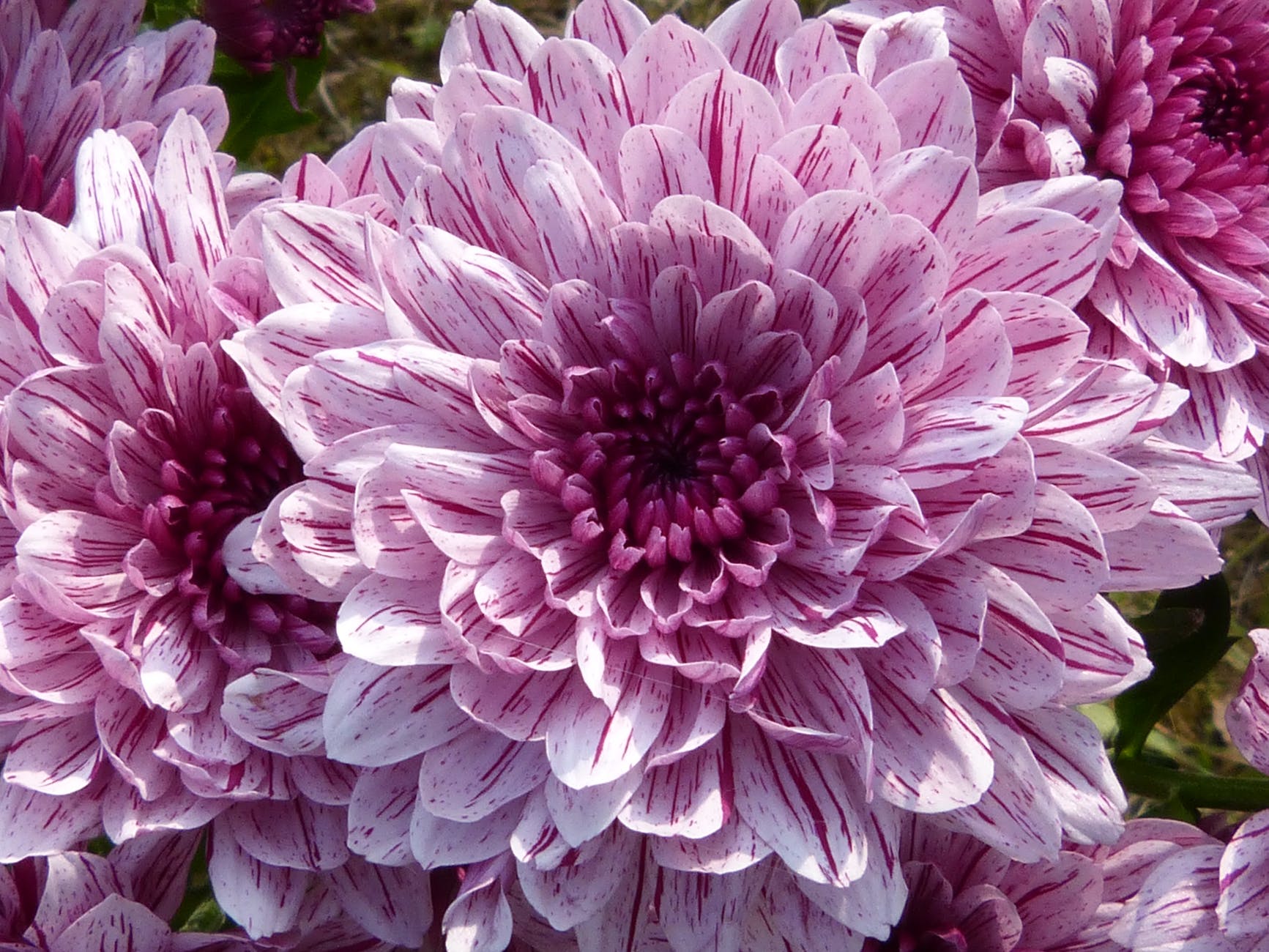
Purple chrysanthemums

I received a gorgeous bunch of fresh flowers the other day.

Photo by Pixabay on Pexels.com

I’d never had anyone buy me flowers before then. The details surrounding these flowers are fascinating at the very least but I will leave them out here. What I will say is I loved them the moment I saw them and even more when I knew they were mine. I had never seen flowers as exquisite as those. There they were, lounging beside a window and soaking in the Saturday afternoon sunlight with a charming nonchalance.

I must’ve been about fourteen-years-old when I learned the word pulchritudinous, which means exceptionally beautiful. The word sounds like it describes a corrosive substance. I was amused by the irony of a seemingly clinical description for something as subjective as aesthetic perception. Until this past Saturday, I couldn’t imagine the kind of thing which would be best described by that word.

Those flowers, those delicate purple chrysanthemums, answered a prayer I’d long forgotten I had prayed.

– Lele M