What a Fall

The fall. A narrative as old as time, woven into the very fabric of creation.
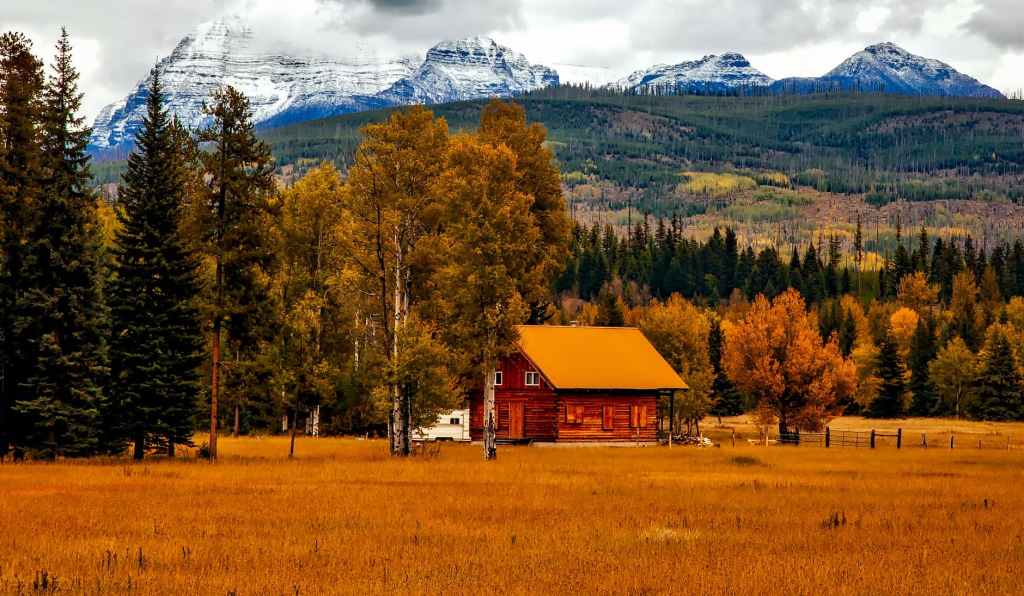
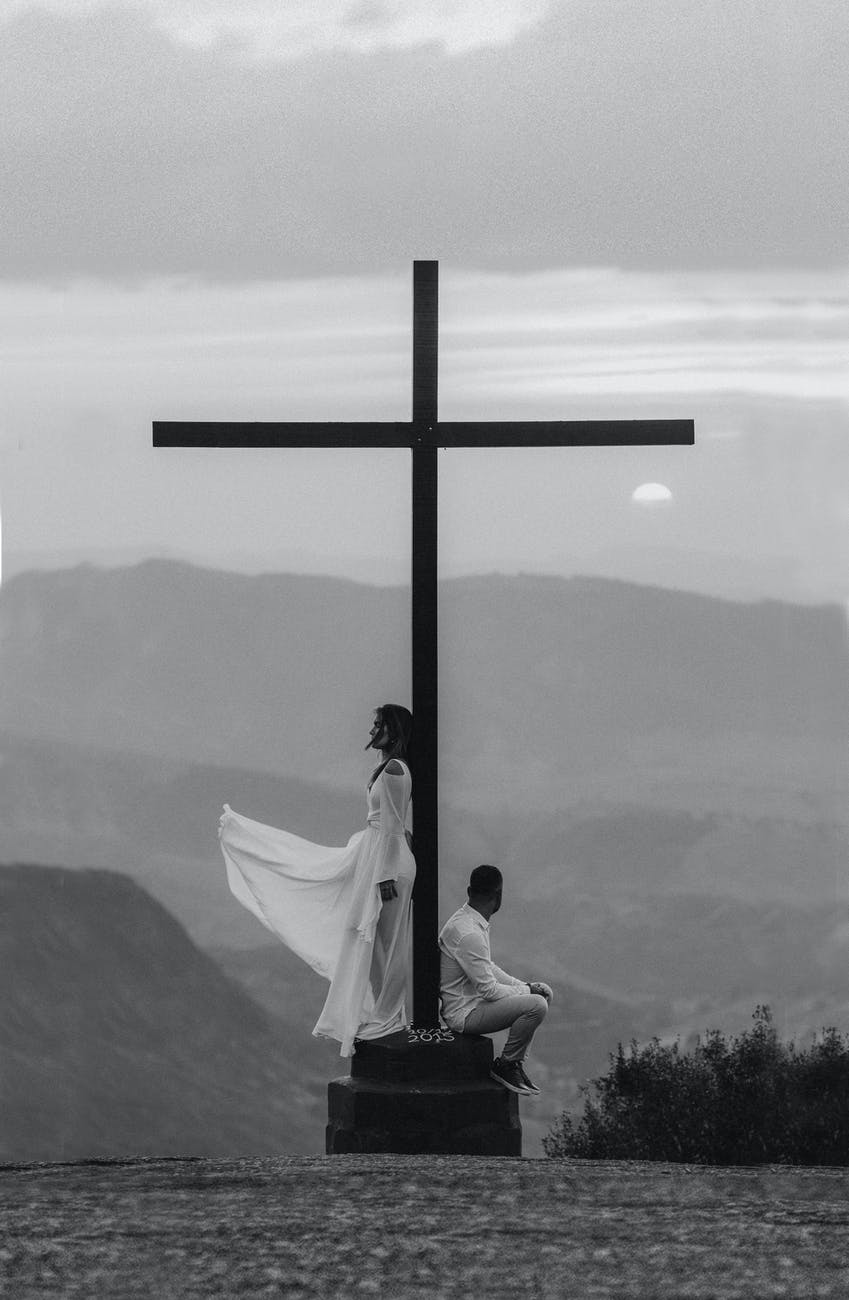
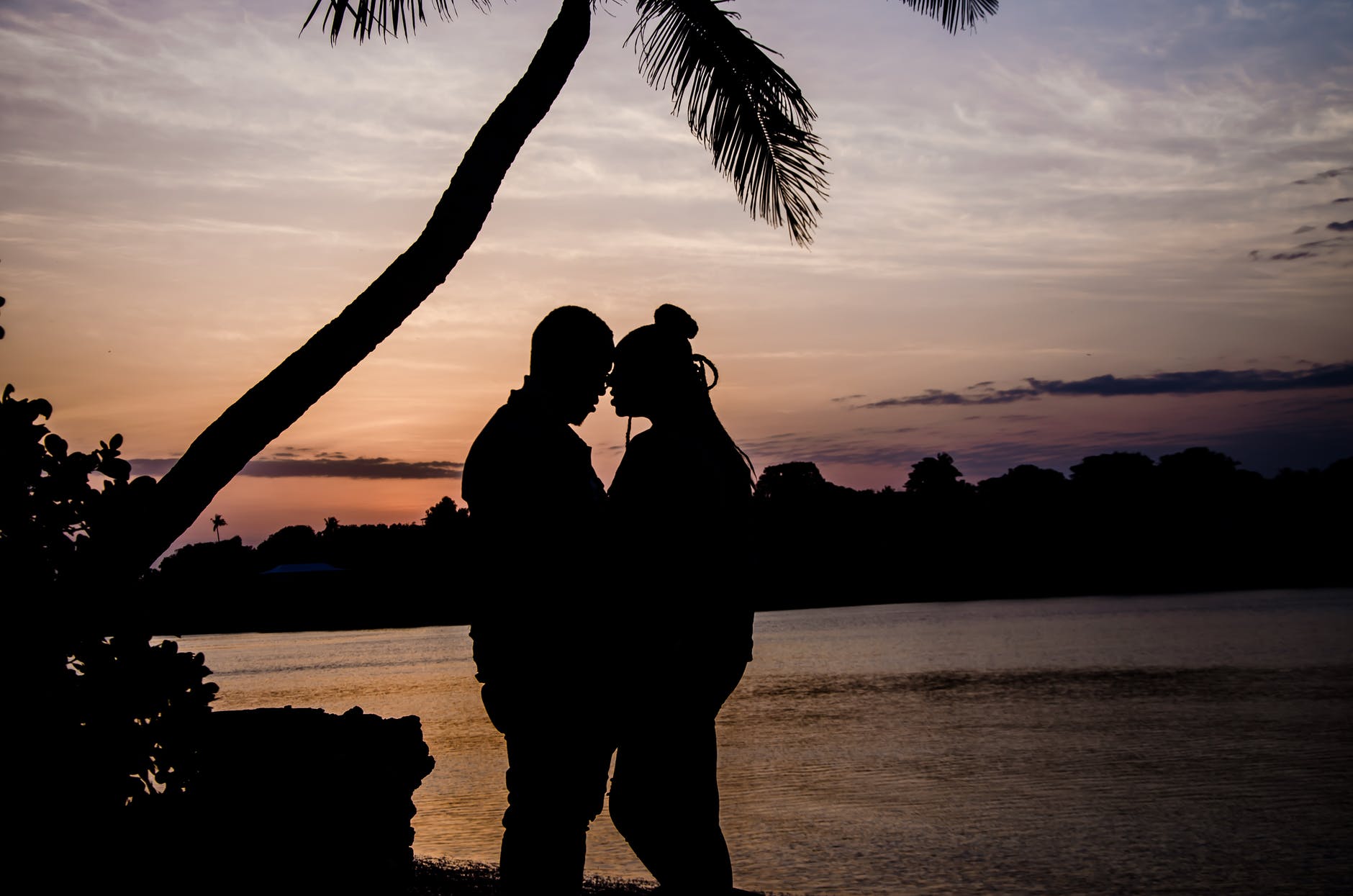
Photo by Pixabay on Pexels.com

Genesis 3 tells of a paradise shattered, of innocence lost, and of an intimacy with God interrupted by a single choice. “What is this you have done?” the Lord asks, His voice heavy with the weight of love betrayed. And in that moment, humanity’s relationship with God—and with one another—was forever changed.

I find myself reflecting on the fall, not in Eden, but in my own life. A public union of hearts and lives, shared and celebrated, has ended. The first partner I ever called home is now no longer mine. The mighty have fallen, the poets say. Though I am no king, my heart feels the weight of that phrase. How fragile the human spirit is, how vulnerable we are when we give ourselves to another, laying bare our hopes and fears, trusting they will be held with care.

In the aftermath, I have asked myself: Was it love that failed, or was it simply us? Is love eternal, as scripture teaches, or is it fractured by the very human vessels that attempt to carry it? Perhaps it is both. Perhaps love remains pure, even as we stumble under its weight.

“To love at all is to be vulnerable,” C.S. Lewis once wrote. “Love anything, and your heart will be wrung and possibly broken.” To love is to risk the fall, to step into the unknown with faith that the one you hold close will not let go. Yet, sometimes, they do. Or perhaps it is we who loosen our grip, weary from the journey, distracted by our own frailty.

The fall reminds me of surrender—not just to love, but to God, who is love itself. What does it mean to surrender when the heart is broken? It means to offer up the pieces, trusting that the hands that shaped the heavens can also reshape the human heart. It means to acknowledge that the fall is not the end of the story. Eden was lost, but grace abounds. The mighty fall, but the humble are lifted.

In this moment, I see the nature of man: fragile, flawed, often blind to the divine within one another. I see the nature of relationships: mirrors that reflect not only beauty but also brokenness. And I see the nature of love: a call to transcend the fall, to forgive as we are forgiven, to endure as God endures.

Perhaps this is the beginning of a new story—not one of perfect love but of perfecting love. For even in the fall, there is grace. And grace, I am learning, is where healing begins.

-Lele M
You belong to God

Dear Younger Self,

I pray this letter finds you when you need it. I understand the burden you carry, so I’ll begin by assuring you of a truth which I hope will penetrate your pain, depression, and anxiety: The loving God who created you is still in charge.

This truth, indeed the truth of all truths, goes back to Genesis 1:1 “In the beginning, God created the heavens and the earth.” This verse is more than just the opening line of the Bible; it’s a foundational truth that will shape your understanding of God and the world around you. In only 10 words, the verse offers you the following encouragement:

  • Before anything else existed, God was there, initiating everything you know and see.
  • The Hebrew name used here, “Elohim,” reveals God’s nature as the powerful Creator. Remember, this Creator is not just powerful but also loving and intimately involved in every detail of His creation.
  • The phrase “the heavens and the earth” encompasses all of creation, from the vast expanse of the cosmos to the smallest intricacies of life. Everything finds its origin in God’s loving hand.

Now, why is any of this important to you? Acknowledging God as Creator forms the bedrock of your existence, and developing faith. It’s more than a theological concept; it’s a truth that will ground you in times of uncertainty and inspire awe in moments of wonder.

As you grow, remember that understanding God as “Alpha and Omega” shapes your worldview. It defines your identity and purpose. It keeps you humble by reminding you of your place in His economy.

Depend on God. Trust in His wisdom and guidance. The same God who spoke the universe into existence is the One who cares for you deeply. Let this truth anchor your prayers, your decisions, and your relationships.

I’ve created a YouTube video to explore the practical application of this teaching. In sum, pray fervently and seek God’s presence in every aspect of your life. Let His creative power and purpose infuse your thoughts and actions. Your faith journey begins here, with the profound truth of Genesis 1:1.

– Lele M

Psalm 137:5-6

If I ever forget you…

Photo by Jonathan Borba on Pexels.com

There’s a chance you will read this, and although it frightens me, a part of me is hoping you do. A larger part of me than I care to admit. If you do, if you are – yes, I’m loving through letters again. I can’t help myself.

We reflected on our relationship one day. We were both taking accountability for our influence on the course of our relationship, which is standard practice in these reflections. Until I reached an epiphany of the adage “all’s fair in love and war”. I’d always understood how all’s fair in war. But how could all be fair in love? How were love and war alike? 

The answer came to me in that conversation. We weren’t just reflecting on ourselves. We’d taken the time to understand, and contend with, the other’s perspective and feelings. In that, we’d found the silent pleas we’d missed in our emotional stupor – pleas for affection, protection, support, peace, and patience. We found out just how much we differ in our thought despite similarity in our needs.

Consider this; we both believe we’re fighting on the right side. We’re both convicted enough to pursue it ‘by any means necessary’ – such that we can justify causing harm in pursuit of what we believe is right. One cannot tally the rights and wrongs in a relationship to determine a score for each partner.

By the end, I realised we’d both been both right and wrong (often at the same time) too often for it to matter. And that’s the nature of being in a relationship, as it is with war. All is indeed fair in love.

I hadn’t understood this until I realised how much we’d been through together. How much we’d put each other through. How much of it was avoidable, and how much of it was not.

I have loved loving you, being loved by you, and loving with you. Some of my best memories are with you. We’ve also been through the wire – serious character building stuff. From everything we’ve had to learn, to everything we’ve had to forgive, we’ve both grown tremendously. I’m proud of us.

We’ve done well, you and I. We make a monster team.

– Lele M

Being Home

I

I moved into a new place recently. It is a small cottage in a lovely, quiet suburb. It is easily the most beautiful and peaceful place I’ve had to learn to call home.

I’ve always regarded myself as a homebody. Not only am I an introvert, I prefer to stay indoors. I don’t just want to be alone, I want to be alone at home. I have been through seasons when I never wanted to leave the house because I was uncomfortable being in public and socializing. There have been two such periods which I can recall – once during my teens, and again coming into my twenties. Both these periods lasted about two years.

During these times I would leave the house only when it was absolutely essential. I would be irked even by those tasks which were indeed imperative and required that I step out of my comfort zone. Home was my safe space. I did not necessarily love and enjoy being in the space I called ‘home’, I simply preferred it because it was where I could be on my own, and embrace my reclusive state. This distinction will become important later.

On the other hand, I have been through other seasons during which I felt a deep discomfort being home such that I would look for reasons to stay away. These didn’t even have to be good reasons; any would do. Whether it was being out with friends, at school doing extracurricular activities, visiting relatives – I would be eager to leave the house, and I would dread returning. When I was home, I would itch for reasons to leave again.

Fascinatingly, the reason behind this strong aversion was the same reason that I had, at other times, preferred to stay in; being at home meant being on my own. Though during these times the mere thought made me uneasy. I was uncomfortable with my own thoughts. And after a while of running from my thoughts incessantly, there was the added and overwhelming deterrent that they had become unfamiliar to me. I simply didn’t know how to be with and handle my thoughts – my own stillness was foreign to me. These seasons, too, have occurred more than once in my life, and also spanned an approximate duration of two years.

However, for as long as I can remember, I have never had the experience of loving my home and loving being home. I have never had a healthy relationship with my home. Whether it was my childhood home or a university residence, I viewed these spaces in one of two ways.

I viewed home either as nothing more than a desperate hiding place, akin to how an addict views their drug of dependence – no longer using for the euphoria it may induce, but for fear of being sober. A mere lesser evil.

Alternatively, I viewed home as my demons’ lair, a den of terror to be avoided my any means necessary. It was a place where my thoughts would be forced into the light of silence and solitude, a place which threatened to expose the dark corners in my mind into which I was not yet ready to venture.

When I fell in love with God, my perspective on home changed drastically, such that I’ve discovered that I am a homemaker at heart. Imagine that! I don’t just love homemaking, I delight in it. It actually brings me joy.

I take pleasure and pride in creating a clean and peaceful environment for myself and others. I find fulfillment in tasks such as cleaning, cooking, baking, and decorating in the home. I love to fill the space with lovely aromas, whether through gentle scented candles, a pot of savoury stew on the stove, or freshly baked chocolate brownies cooling on the kitchen counter. I love to set the atmosphere with beautiful flowers, pictures, and furniture.

Along with this revelation of myself, I came to realize that this is the healthy middle I had never known and never experienced – this ‘loving being home’, and also ‘enjoying being out of the home’ was strange.

After all, I’ve learned, it is on my afternoon walks when I take in my surroundings that I realize how much I appreciate nature and flowers in particular. I stop to smell their petals and stroke their leaves. These experiences of mindfulness in my outdoor natural surroundings, bring me to want and appreciate flowers in my domestic space. Being outdoors helps me to appreciate my time indoors even more, and inspires me to make my home the perfect sanctuary for me.

I am ultimately finding that homemaking requires me to be comfortable both in my home and outside my home. Don’t get me wrong, although all things are possible through God, I’ll probably always be an introvert. Even outdoors, I’ll likely always prefer the spaces that are least populated.

Though despite my personality and disposition, I am learning to feel at home regardless of where I am. I am learning that God is my true home, and He is always with me. Home is always with me. I am always home.

– Lele M

‘Eternal Sunshine of the Spotless Mind’

Directed by Michel Gondry

Romantic science fiction.

“How happy is the blameless vestal’s lot! The world forgetting, by the world forgot. Eternal sunshine of the spotless mind! Each pray’r accepted, and each wish resign’d.” – Alexander Pope, Eloisa to Abelard

Written by Charlie Kaufman, this 2004 American romance film also referred to simply as Eternal Sunshine, follows the story of Joel Barish and Clementine Kruczynski. Played by Jim Carrey and Kate Winslet, Joel and Clementine are a separated couple who have erased each other from their memories.

After my first viewing of the film in 2018, I found it to be rather unusual and disorienting. The film employs a nonlinear narrative, along with elements of psychological drama and science fiction which may prove to be a jarring combination for a first-time viewer. I have recently seen the film a second time and I was blown away. Eternal Sunshine, whose title comes from a quotation from the 1717 poem by Alexander Pope, explores themes revolving the nature of memory and romantic love in a compelling sci-fi offering.

Besides the esteemed leading actors, the film boasts an illustrious cast including Kirsten Dunst, Mark Ruffalo, Elijah Wood, and Tom Wilkinson.

I intend to see the film a third time soon, and in the meantime I cannot recommend it enough.

– Lele M

Bloom

I picked some flowers to preserve through drying. Full debrief in the podcast.

Photo by Pavel Danilyuk on Pexels.com

#1: I am grateful for the splendor of God’s majesty.

#2: I am grateful for weekends spent alone.

#3: I am grateful for the companionship of the holy spirit.

I had a bit of practice picking pretty flowers beforehand so I loved it all the more. This is my new favorite thing to do outdoors. I t has made me more attentive to the oversufficiency of casual beauty around us.

Lele M

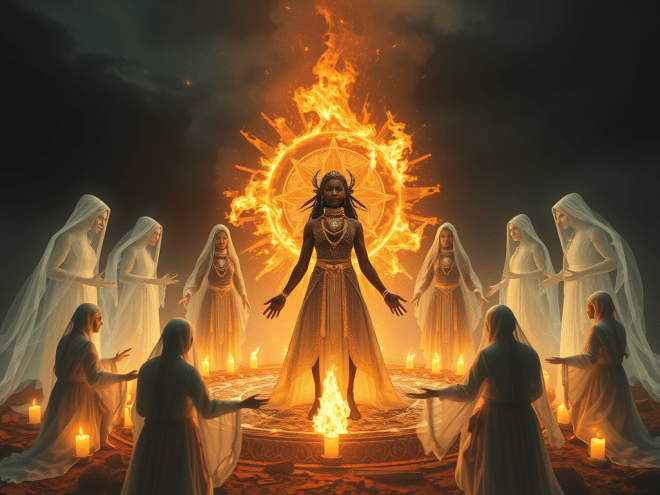
Chapter V | The Shadow of the Ring


The city moved differently after the café fire. News reports called it “another accident,” but people whispered of omens. Even the pigeons seemed to circle slower, their wings uneasy with the heat of some invisible flame.


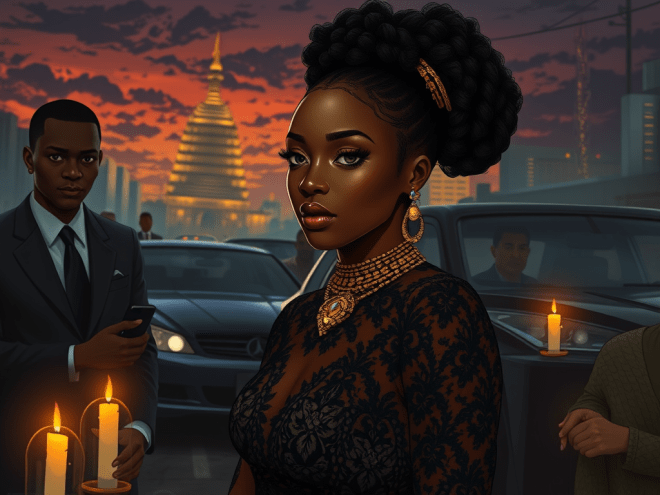
Noluntu walked through the streets as though wading through the residue of her own past. Each corner hummed with faint memory—the laughter of comrades, the sermons of street preachers, the soft murmur of her mother’s voice calling her Nkanyezi, my little star. But the name meant something different now. She could feel her light returning, though dim and uncertain.

Asher had vanished after the fire. No calls, no messages, only the faint smell of sandalwood that lingered in her apartment for days after. She wanted to dismiss him as fantasy, but the note he’d written still glowed faintly in the dark: You’re remembering.


In her sleep, fragments of her uncle’s funeral replayed in reverse—the men with gold rings, their eyes sharp as blades, chanting in a language older than isiZulu. One word echoed in her mind: Zedekiah. She found it the next morning in her book’s margins, written in ink that shimmered like oil.

Zedekiah—the priest-king, last of the holy line before captivity. Was it a name? A title? Or a warning?

That afternoon, she visited her parents’ old comrade, MaLebo, a retired revolutionary who lived in an RDP house on the outskirts of Soweto. The walls were lined with portraits of the struggle: fists raised, faces defiant. But the spirit had faded from them, like colour washed from old cloth.

“Your mother was a prophetess,” MaLebo told her between sips of rooibos. “She said your blood was older than the ANC, older than the Party, older than even the tribes. She said your line was the line of Levi—the priesthood of Israel. But we didn’t listen. We thought she was speaking in riddles.”


Noluntu frowned. “Levi? But how could that be—”

MaLebo raised a hand. “Child, there are stories buried under every revolution. Yours is not to explain. Yours is to remember.”

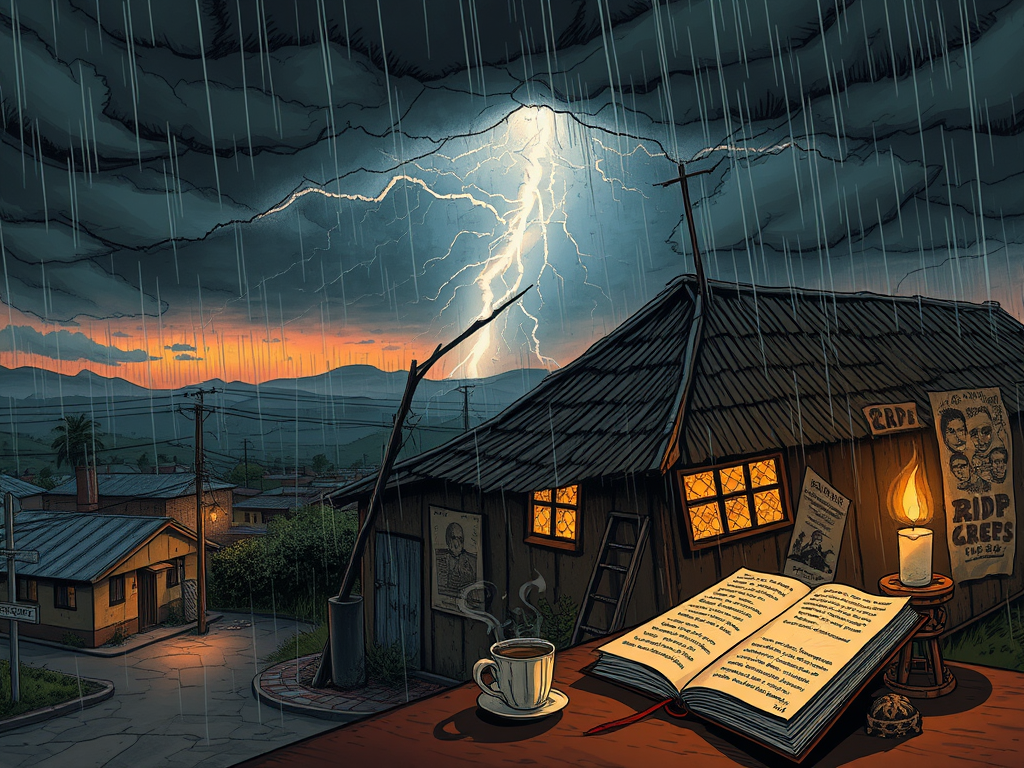
As Noluntu left, the sky split with thunder. A storm rolled over the city like a rebuke, washing the pavements clean of their false holiness.


Yena Aya Kwini

Zanele*

Friendship is important. Individuality and independence is important too. Growing up, my church instilled values of aspiration to marriage. I have come to appreciate the idea of platonic soul mates.

What are your thoughts on ‘it will end in tears’?

So what if it ends?

And your thoughts on closure?

In my experience the idea of closure has not been useful. You cannot force the other person to care.

*not her real name

Chapter IV | The Covenant of the Forgotten


The newspapers called it another electrical fault. But Noluntu knew better. She recognized the scent in the ashes—the same blend of frankincense and cedar that had marked the first fire. The book had survived again. Only this time, it opened to a page she had never seen before. The ink glowed faintly, as if wet:

“The witch and the warrior are one flesh.
The priestess and the planner are one mind.
When the daughters of Zion remember,
the nations shall tremble.”


That night, she sat by her window, watching the city breathe. Helicopters blinked like angels trapped in their patrols. A group of teenagers filmed a ritual dance under the bridge, fusing old Xhosa chants with synthesized beats. Across the street, a billboard flickered with the words: “Africa Rising—Invest in the Future.

She laughed bitterly. Rising? The continent had been rising for decades, yet its children were still crawling.

But something stirred in her. A knowing. Her parents had once said, “Revolution begins in remembering.” Perhaps this book was not madness, but a map.

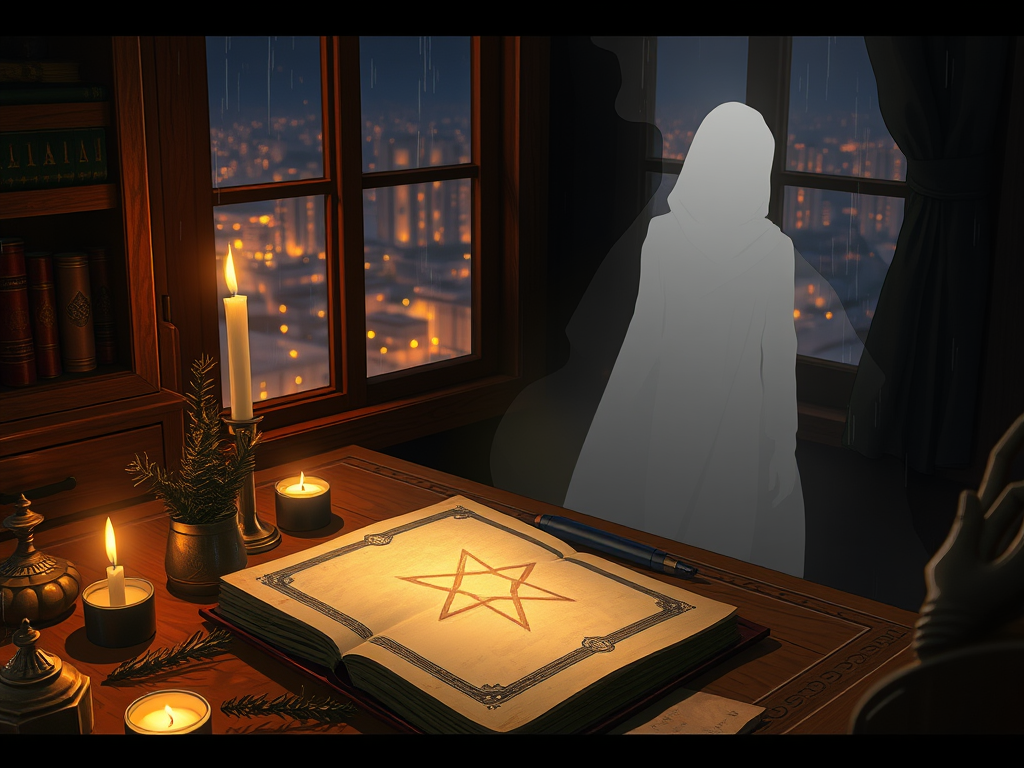
As she turned the pages, she found an unfamiliar symbol—a seven-pointed star woven with serpents. The symbol of The Ring. Beneath it, a line written in her own handwriting:
“Blood remembers blood.”


And in that moment, the city lights dimmed. The air thickened with the presence of unseen witnesses. Noluntu felt her pulse align with something older, something divine. The veil between worlds trembled.

In the reflection of the window, she saw herself—but not herself. Another version, wearing white robes, her eyes alight with knowing. The other her spoke without moving her lips:
“The time has come. Africa will not rise by economics or war, but by revelation.”

Then the reflection faded.
And Noluntu, shaking, began to write.


Yena Aya Kwini: Abstract

What are good reasons to get into a relationship?

Photo by Ian Vedette Kafuna on Pexels.com

A few weeks ago I had a conversation which has borne this piece. The part of that conversation which made an impression on me was a simple question. What reasons do I have to be in a relationship?

In the first instance, the question presumes the existence (and necessity) of ‘reasons’ to be in a relationship. As such, the question is loaded. Secondly, the word ‘reasons’ requires qualifying. A useful definition would be any causes or motivations. Put differently, what motivates my desire to be in a romantic relationship?

To answer this question, there is as much value in looking outward as there is in looking inward. I prefer to learn from the stories of the people around me. Thus, I contemplate this and other related questions with a dynamic sample of young people throughout the next few weeks.

– Lele M