Every test of patience asks “In whose time will this happen?”
Impatience says “In my time.”

In a previous season of my life, I learned that patience is not simply the act of waiting. Instead, patience is how one waits. Patience is the difference between waiting in anxious frustration, and waiting in calm equanimity.
In this season of my life, I’m learning to perfect my patience by not waiting at all. You need time? You’ve got it, but I’m not waiting. I’ll be moving ahead with something else. I surrender any expectations – a feat I owe to God’s grace. In this way, patience is an exercise in discipline.
Meanwhile, human beings are fallen and susceptible to hubris. We have desires, expectations and tend to want to control outcomes. This is why patience, which I understand as the discipline to detach from outcomes, challenges so many. Releasing control (or the illusion thereof) often means facing feelings of vulnerability, and requires courage. It is about cultivating the self-control required to surrender to the unknown.
Beyond courage, however, this manner of detachment requires faith. Faith is having such clarity about eternal truths that detachment from specific outcomes becomes possible: God is in charge; God is love; I am chosen; God is working things out for my good; etc. The question, therefore, is not just “In whose time will this happen?,” but “Who would presume to know better than the Creator?”
This understanding reveals why patience is such a powerful heart posture. The Word tells us that “without faith it is impossible to please God.” Patience, like the other fruits of the Spirit, is a posture of profound inner-strength. It is about trusting God’s Word – His love, grace, and timing. All is and will be exactly as it should be.
I know that my life unfolds in the hand of a Sovereign God and according to His perfect plan. From that perspective, impatience seems quite futile really. I don’t need to know or control everything, I only need to stay connected to the One who does.
– Lele M
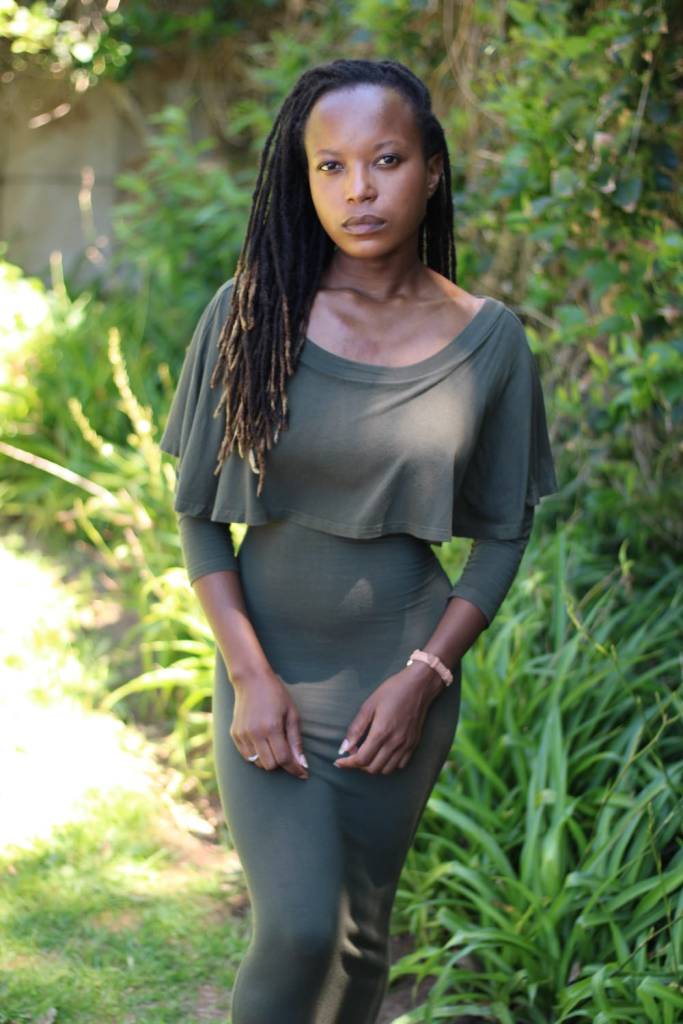
 Lele Muthali