Her Head
“For the husband is the head of the wife, as Christ also is the head of the church, He Himself being the Savior of the body.” – Ephesians 5:23
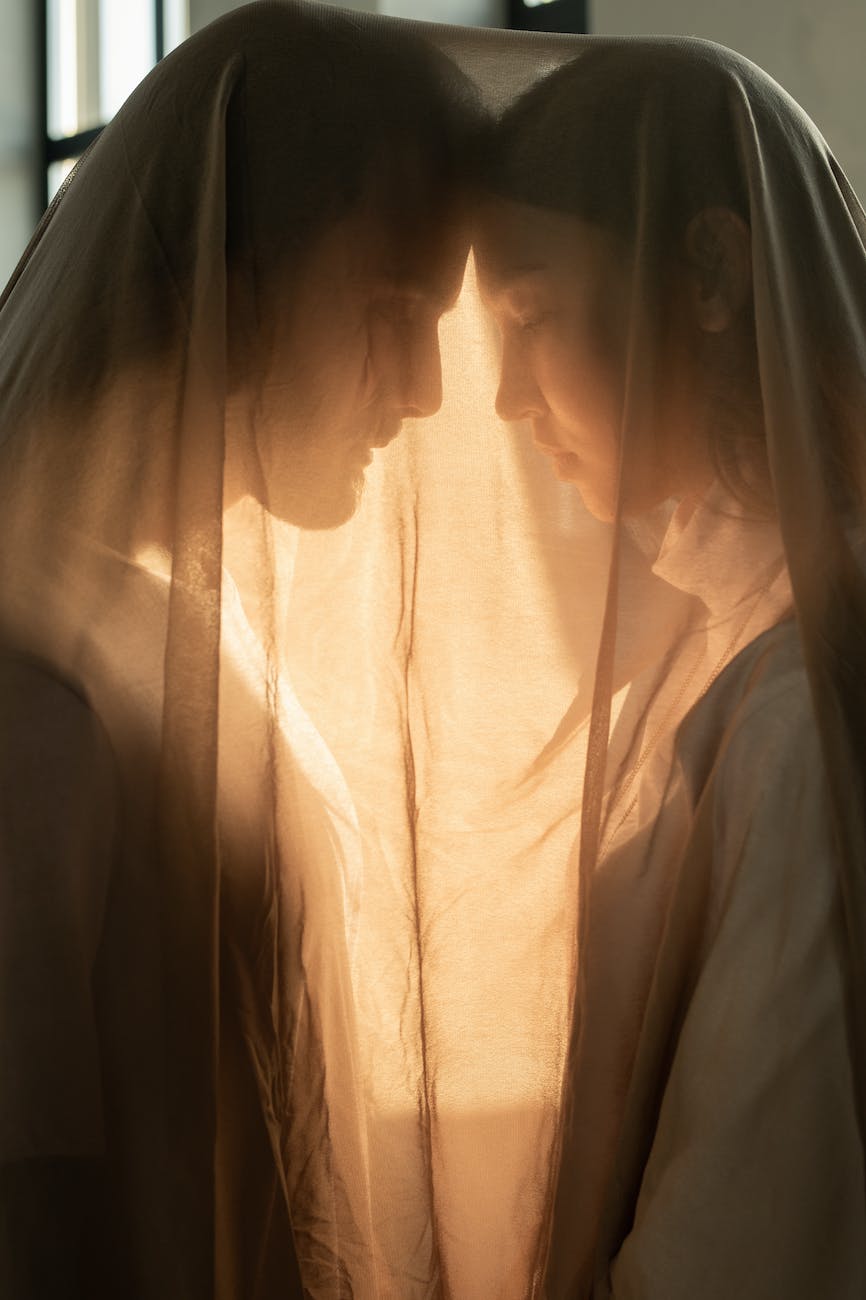
His eyes widened. He was visibly stupefied.
“I don’t believe women should be pastors,” she repeated. Although her eyebrows rose to emphasise her words, her voice retained its candor and clarity. She let the words rest in the air unassumingly.
He gave her a perplexed look and both of them fell silent for a moment. He seemed to be allowing her the pause she needed to deliver her punchline. The punchline was a few seconds overdue when he realised it would not be coming. She wasn’t going to renege on what she’d said. At this, his shock turned to curiosity.
“Why not?”
Thinking of Ephesians 5:23, she said “I don’t believe the Bible teaches it. I believe in the headship of the husband over the family and congregation.”
Her matter-of-fact demeanor was disarming and his eyes narrowed in a slight reflex.
These days, I find myself wanting to qualify my position. I appreciate that I don’t have to. I simply feel I should.
I do it because I want to assure my interlocutors that they are not speaking with someone who doesn’t give thought to these issues. I want to offer them relief. I want to assure them that there would be no need for platitudinous sloganeering. I want to dare them to be honest. I want them to know that I am eager for critical reflections.
I want to play open cards. I want to ensure they aren’t seduced into conversation by the appearance that I may be an ideological damsel in distress so lost in oppressive thought and confused by the patriarchy that she couldn’t even see she needed help.
I want to offer them peace and ease about making arguments which they may think are so foreign as to offend my sensibilities, so revolutionary as to shake the foundations on which my convictions stand, and so unlike my own as to assault my very existence.
I want to dispel any presumption that I have only ever believed what I now know to be true. I want to reassure them that I have considered the contention. I care about the subject matter, I will be careful with it.
Her eyes softened and she smiled warmly. “You know, I actually used to be a feminist.” He thought he heard a note of sincerity resonate somewhere in the back of her voice.
Her attempt to put him at ease was having the opposite effect. He couldn’t understand why a dynamic and opinionated young woman living in one of the most cosmopolitan cities in the contemporary world would abide by archaic doctrines.
Something caught the corner of his eye as he studied her face. It hung around her neck on a delicate silver chain. It rose and fell gently as she breathed. The sleek symbol reflected the afternoon sunlight in a soft rhythm which gave it the appearance of swaying girlishly. It was the instrument by which early Roman soldiers tortured and killed Jewish insurgents. The cross.
He shook his head incredulously and smiled before he looked squarely into her eyes, reclined in his seat, and asked the question she had been expecting to hear.
“What changed?”
– Lele M
 Lele Muthali