
“The mighty man will become tinder
and his work a spark;
both will burn together
with no one to quench the fire.“
– Isaiah 1:31
PART I – The Awakening
Chapter I | The City and the Book
The city stretched like a wound under the morning haze—its skyline a crown of smoke and glass, its arteries clogged with restless metal. The air was thick with the perfume of grease, exhaust, and despair.
Billboards blinked the faces of false prophets and fast food messiahs, while children in tattered uniforms waited for taxis that never came. It was a city that had once promised liberation and rebirth, but now, its promise had fossilised into slogans. Johannesburg was no longer gold—it was rust.

At the heart of it, Noluntu moved through the crowds like a ghost unsure of its own existence. Her steps were steady, though her mind was fogged with fragments of another life—dreams, half-memories, visions she could not name. The book was the only thing she trusted. She had found it one morning beside the ruins of her apartment block after the fire. Everything else—furniture, clothes, photographs—had been consumed. Only the book remained, its leather cover unscathed, its pages faintly perfumed with myrrh.
The first line she read was not written in ink, but etched like a whisper in her mind:
“Remember, child of the Covenant, for forgetting is the first death.”
Since then, the city had changed shape around her. She saw symbols where others saw smog: the flicker of a neon sign became a shofar’s call; the drones above her resembled locusts. She thought she might be going mad. But madness had its rhythm, and hers danced to the pulse of prophecy.
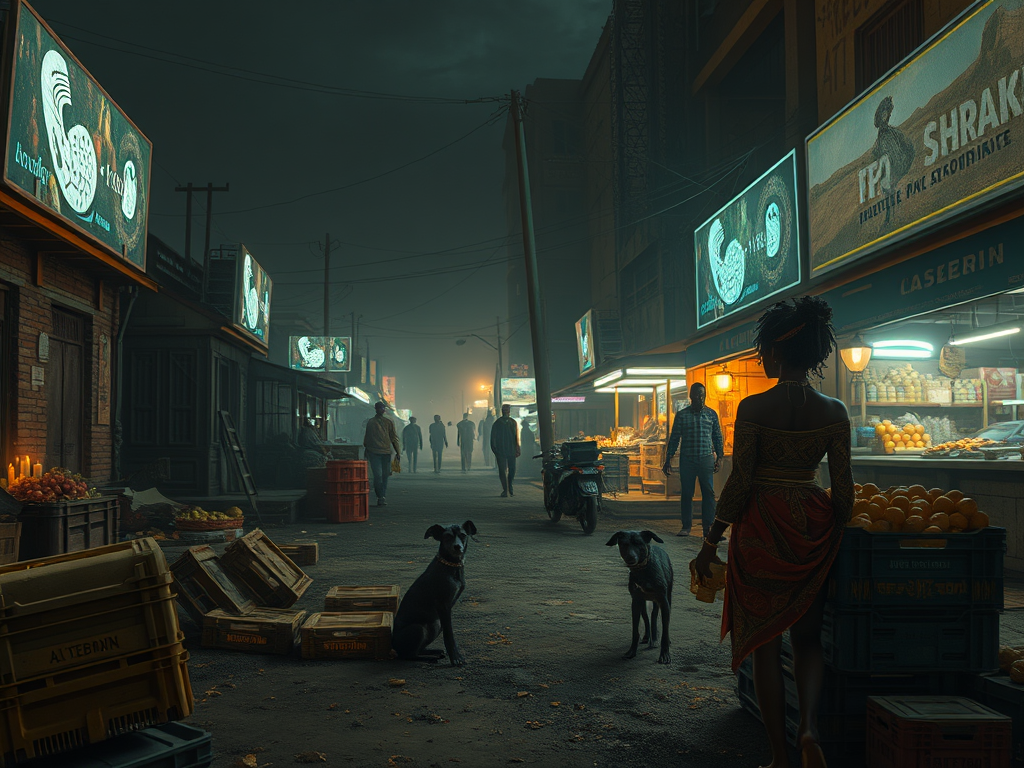
The book spoke of Africa as a sleeping lion—its mane matted with the sins of its children, its roar silenced by foreign tongues. It spoke of kingdoms buried under bureaucracies, of altars desecrated by ambition. It spoke of her—though she did not yet understand how. Each night, she wrote in the margins as if in conversation with the unknown author. Each morning, new words appeared that she did not remember writing.
Outside her window, the people of the city hurried to survive. Fast food stalls glowed under the weight of neon scripture: “Taste & See: 99c Miracles!” Dating apps glimmered with filtered faces, avatars that blinked prayers for validation. Children filmed their poverty for views. Pastors advertised deliverance by subscription.
It was Revelation rewritten as reality TV.
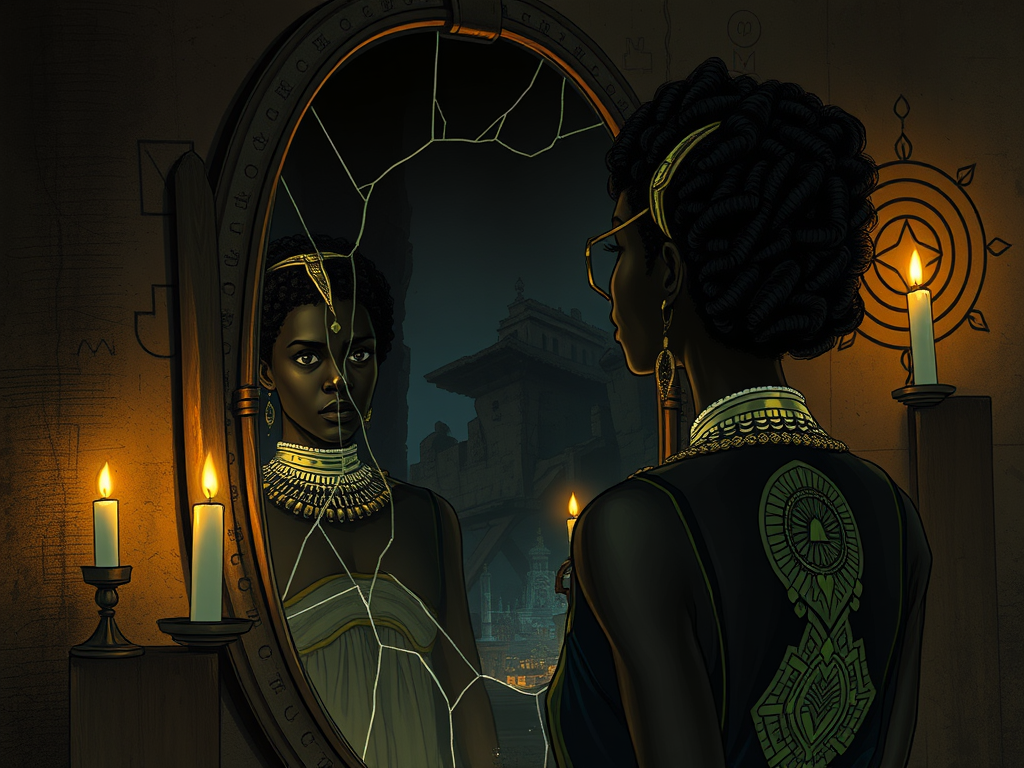
And yet, somewhere between the advertisements and the hunger, she sensed holiness. Not in the churches, but in the quiet defiance of mothers braiding their daughters’ hair before dawn. Not in the noise of politicians, but in the stillness of taxi drivers who hummed hymns at red lights.
Her world was fractured, but something ancient called to her from the fragments. The name Noluntu meant “of the people.” She had forgotten who those people were—but perhaps the book would remind her.
Chapter II | Ashes and Water
The fire had begun three months before the story began—at least, that was what the police reports said. But Noluntu remembered no smoke, no screams, only light. Blinding light. When she woke, her hair smelled of frankincense and burnt cedar. Her hands bore no burns. She was told she was lucky. She didn’t feel lucky; she felt chosen.
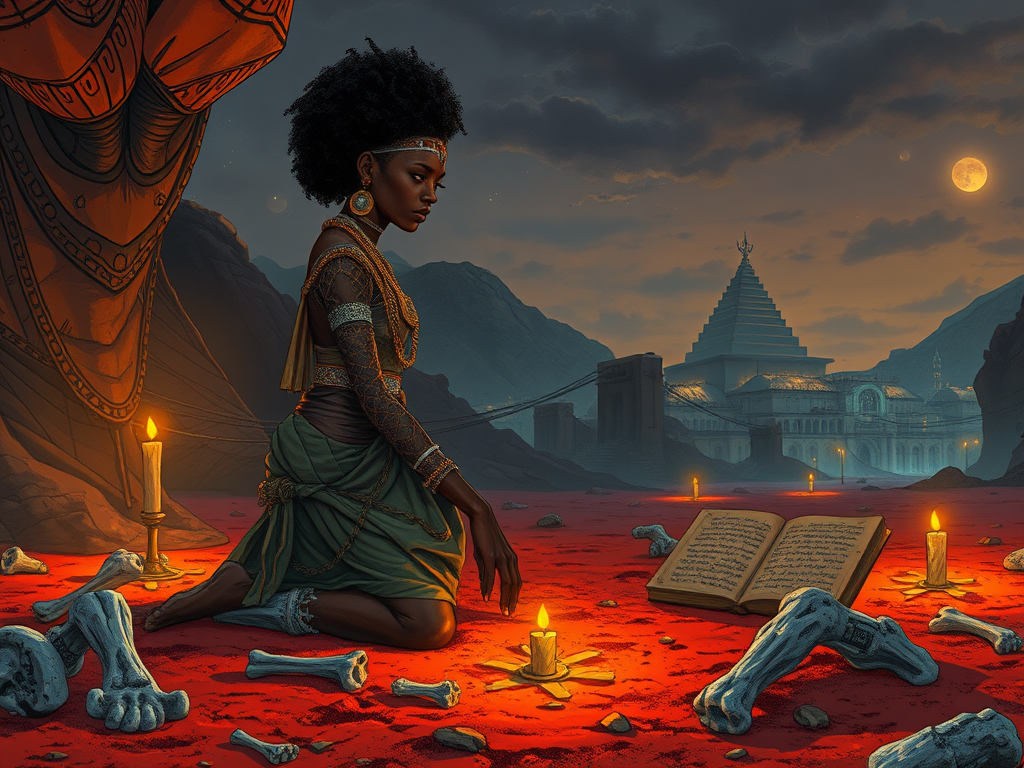
Fragments of her past came back in flashes: her mother’s laughter during marches; the red berets of the Azanian Socialist People’s Movement; the chants of “Amandla!” echoing against government buildings. Her parents had been revolutionaries once—before the revolution was commodified, before slogans became hashtags. Her father had written pamphlets; her mother had written prayers. Together, they had believed in a South Africa that could be holy again.
And yet, their movement had disappeared like smoke after the flame. Corruption swallowed it whole. Some comrades became ministers, others moguls. Her uncle—beloved, feared, and enigmatic—had become a legend in exile. When he died, men in black coats and gold rings carried his coffin through the township, their tattoos glowing faintly in the sun. It was only then she learned he had been part of The Ring, one of the continent’s most notorious underworld networks.

It was said The Ring had financed revolutions and bought politicians. It was said they trafficked both weapons and dreams. It was said they’d been blessed by witches of the old lineages—those who walked the thin veil between matter and spirit. And Noluntu, with her amnesia and strange visions, began to wonder if the blood of that covenant ran through her veins.
By day, she worked in a café on Commissioner Street, serving imported lattes to disillusioned poets. By night, she wrote. Or perhaps was written. Her journal filled with strange diagrams: interlocking circles that resembled constellations, symbols of ancient priesthoods she did not recall studying. And always, in the margins, one word repeated in another hand: Judáh.
One evening, as rain bruised the horizon, a man entered the café. He carried the kind of stillness that made the air hold its breath. His eyes—grey, but warm—met hers briefly, and the world rearranged itself. There was something unbearably familiar in him, something from before the fire.
He ordered tea, left a generous tip, and a note on the saucer: “You’re not losing your mind. You’re remembering.”
Chapter III | The Stranger
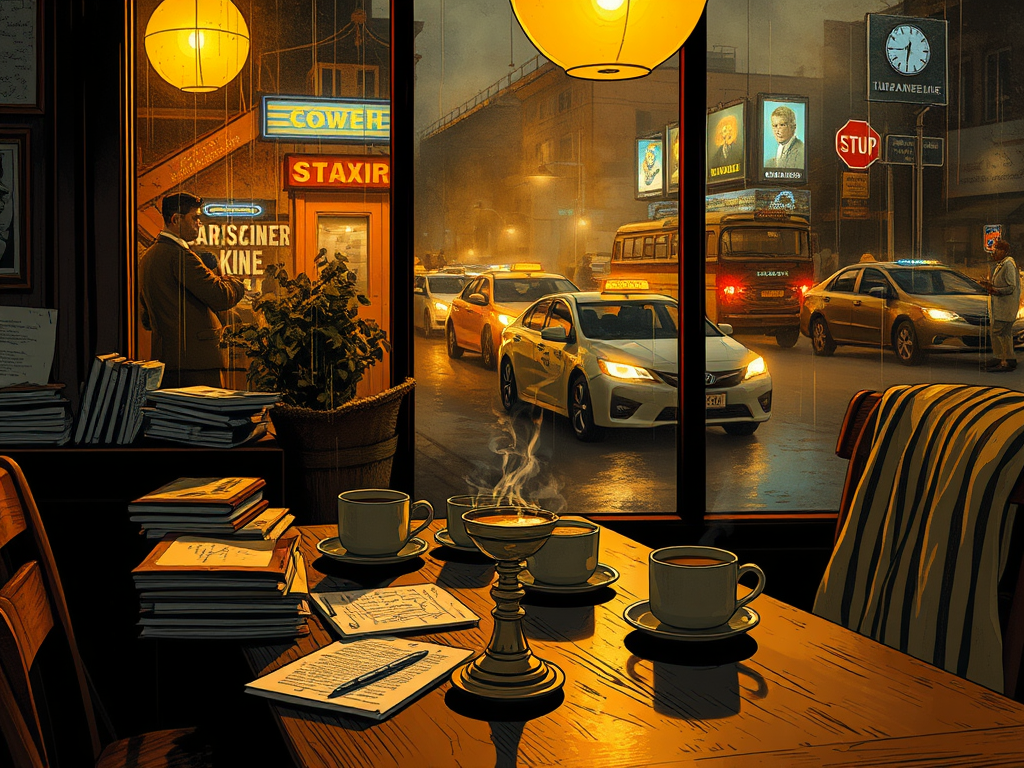
He returned a week later, though she had replayed their first meeting in her mind every day since. His name, he said, was Asher. He spoke like a man accustomed to holding secrets gently. His accent was unplaceable—somewhere between Cape Town and Cairo, with a hint of the desert in his vowels. He told her he worked in “strategic intelligence for development” —a phrase that meant nothing and everything.
Their conversations were elliptical. He asked about her book. She lied and said it was fiction. He smiled like he knew the truth. “Stories are the only real history we have,” he said. “Everything else is propaganda.”
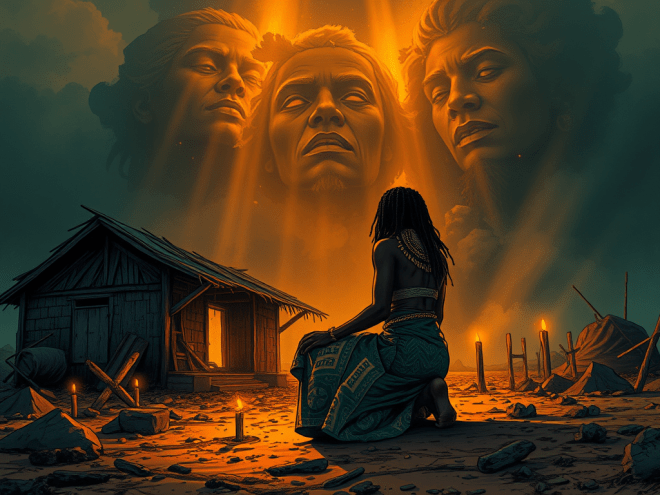
He listened more than he spoke, and when he did, his words felt like scripture smuggled through conversation. He asked about her dreams. She told him of the fire, of the symbols, of Judáh. He nodded gravely, as if recognising a prophecy he had long expected to meet.
Later that week, she dreamed of him. In the dream, they stood in a vast desert where time had no direction. He handed her a chalice carved from bone, filled with light. “Drink,” he said, “and remember who you are.” When she woke, her lips tasted of salt and honey.
The next day, the café burned down.
Chapter IV | The Covenant of the Forgotten
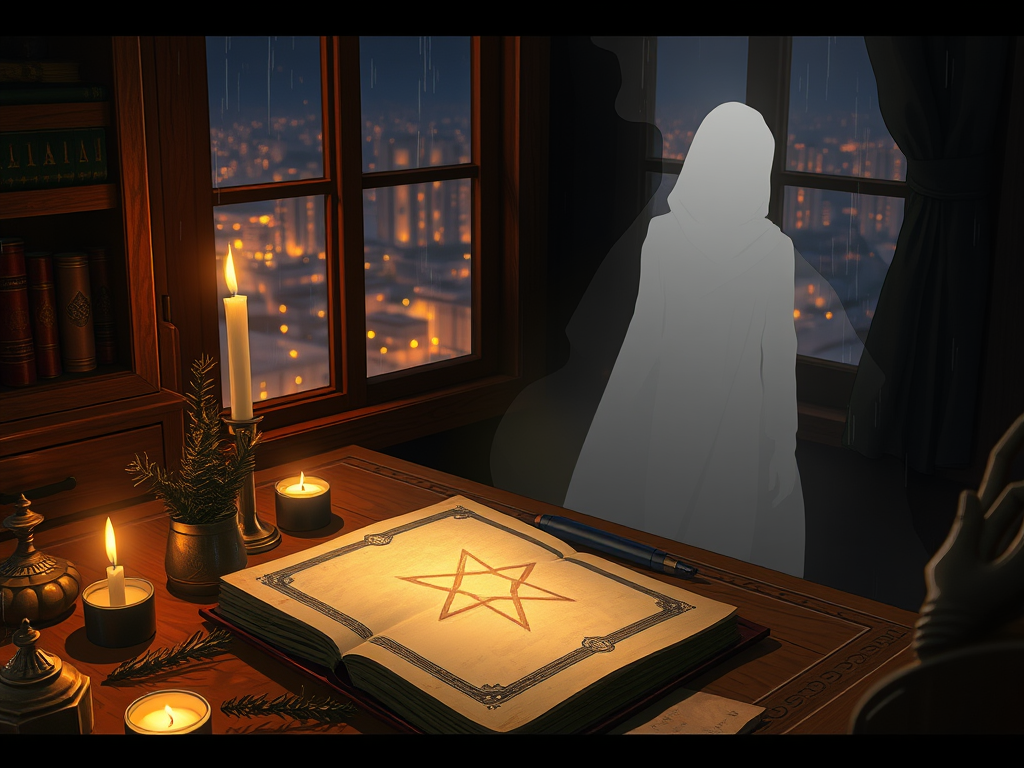
The newspapers called it another electrical fault. But Noluntu knew better. She recognized the scent in the ashes—the same blend of frankincense and cedar that had marked the first fire. The book had survived again. Only this time, it opened to a page she had never seen before. The ink glowed faintly, as if wet:
“The witch and the warrior are one flesh.
The priestess and the planner are one mind.
When the daughters of Zion remember,
the nations shall tremble.”
That night, she sat by her window, watching the city breathe. Helicopters blinked like angels trapped in their patrols. A group of teenagers filmed a ritual dance under the bridge, fusing old Xhosa chants with synthesized beats. Across the street, a billboard flickered with the words: “Africa Rising—Invest in the Future.”
She laughed bitterly. Rising? The continent had been rising for decades, yet its children were still crawling.
But something stirred in her. A knowing. Her parents had once said, “Revolution begins in remembering.” Perhaps this book was not madness, but a map.
As she turned the pages, she found an unfamiliar symbol—a seven-pointed star woven with serpents. The symbol of The Ring. Beneath it, a line written in her own handwriting:
“Blood remembers blood.”
And in that moment, the city lights dimmed. The air thickened with the presence of unseen witnesses. Noluntu felt her pulse align with something older, something divine. The veil between worlds trembled.
In the reflection of the window, she saw herself—but not herself. Another version, wearing white robes, her eyes alight with knowing. The other her spoke without moving her lips:
“The time has come. Africa will not rise by economics or war, but by revelation.”
Then the reflection faded.
And Noluntu, shaking, began to write.
PART II – The Fire and the Veil
Chapter V | The Shadow of the Ring

The city moved differently after the café fire. News reports called it “another accident,” but people whispered of omens. Even the pigeons seemed to circle slower, their wings uneasy with the heat of some invisible flame.
Noluntu walked through the streets as though wading through the residue of her own past. Each corner hummed with faint memory—the laughter of comrades, the sermons of street preachers, the soft murmur of her mother’s voice calling her Nkanyezi, my little star. But the name meant something different now. She could feel her light returning, though dim and uncertain.
Asher had vanished after the fire. No calls, no messages, only the faint smell of sandalwood that lingered in her apartment for days after. She wanted to dismiss him as fantasy, but the note he’d written still glowed faintly in the dark: You’re remembering.

In her sleep, fragments of her uncle’s funeral replayed in reverse—the men with gold rings, their eyes sharp as blades, chanting in a language older than isiZulu. One word echoed in her mind: Zedekiah. She found it the next morning in her book’s margins, written in ink that shimmered like oil.
Zedekiah—the priest-king, last of the holy line before captivity. Was it a name? A title? Or a warning?
That afternoon, she visited her parents’ old comrade, MaLebo, a retired revolutionary who lived in an RDP house on the outskirts of Soweto. The walls were lined with portraits of the struggle: fists raised, faces defiant. But the spirit had faded from them, like colour washed from old cloth.
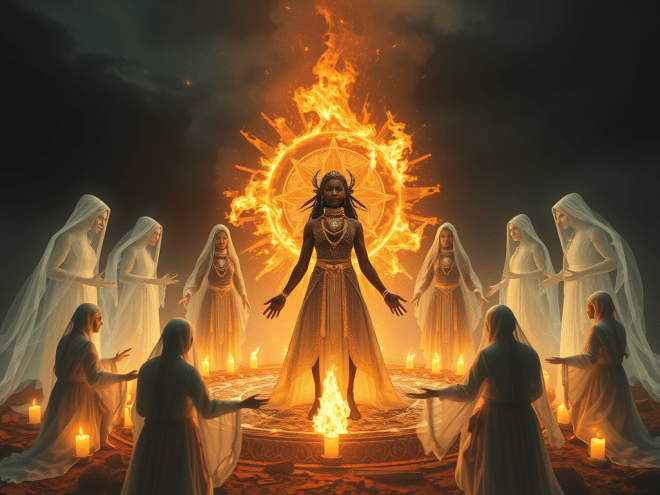
“Your mother was a prophetess,” MaLebo told her between sips of rooibos. “She said your blood was older than the ANC, older than the Party, older than even the tribes. She said your line was the line of Levi—the priesthood of Israel. But we didn’t listen. We thought she was speaking in riddles.”
Noluntu frowned. “Levi? But how could that be—”
MaLebo raised a hand. “Child, there are stories buried under every revolution. Yours is not to explain. Yours is to remember.”
As Noluntu left, the sky split with thunder. A storm rolled over the city like a rebuke, washing the pavements clean of their false holiness.
Chapter VI | The Witch’s Mirror

Noluntu’s awakening was not gentle. The dreams grew more vivid, her senses sharper. She began to hear whispers in the hum of electricity, see symbols flicker across billboards.
It was on one such night that she met The Mirrorwoman.
The woman appeared in the park near Maboneng, where Noluntu went to clear her thoughts. She was ancient but ageless, wrapped in a cloak of indigo cloth that shimmered like the night sky. Around her neck hung a pendant shaped like a serpent eating its tail.
“You have fire in your blood,” the woman said. “But you have forgotten how to wield it.”
Noluntu stepped back. “Who are you?”
“I am what your mother called isangoma, and what your ancestors called seer. Some would call me witch, but that word was twisted by men who feared women who could see.”
The Mirrorwoman led her to an abandoned fountain, its basin filled with rainwater and fallen petals. “Look,” she commanded.
In the water, Noluntu saw herself dancing—not in the present, but in another time. Her body moved with the grace of a ballerina and the power of a warrior. Around her, figures in white sang an ancient hymn in isiXhosa and Hebrew intertwined. She held a staff carved with names. When she looked closer, she saw Asher standing beside her, wearing robes of gold and linen.

The Mirrorwoman smiled. “You and he are bound. Two flames from one covenant. But flame destroys as easily as it warms.”
“Is he—” Noluntu began.
The old woman nodded. “He is of the watchers, child. The ones who guide the chosen back to memory. But beware: not all who watch wish you well.”
When Noluntu looked again, the reflection had changed. The figures were gone. Only fire remained—fire that burned without consuming.
“Witchcraft is not evil,” the woman said. “It is creation unaligned. Power without order. The question is—whose order will you serve?”
That night, Noluntu dreamed of seven doors, each carved with the same serpent-star sigil of The Ring. And behind the last door, a man’s voice whispered: “Africa must burn before it can rise.”
Chapter VII | The Memory of Water
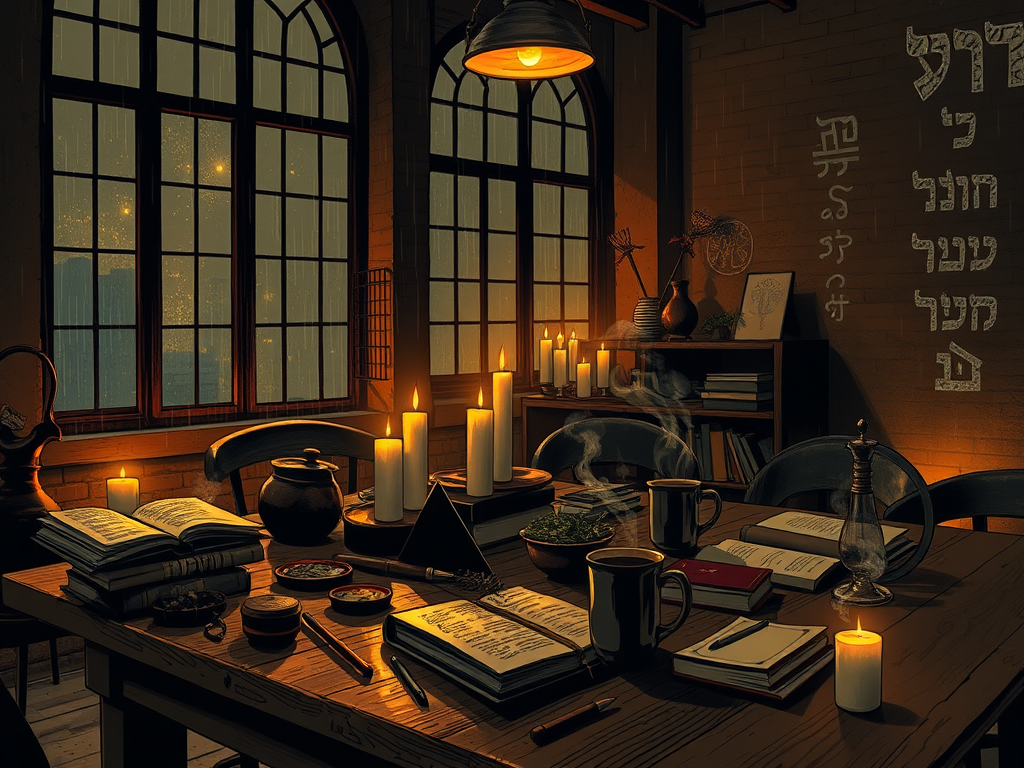
Weeks passed. Rain returned, flooding the streets until the city became a mirror. Noluntu walked through it barefoot, her reflection rippling like a ghost trying to break free. She’d begun writing again—long, fevered passages about justice, order, divine law.
By now, she had gathered a small circle around her: musicians, writers, young activists disillusioned with politics but hungry for meaning. They met in her loft, where candlelight replaced screens. They called themselves The Rememberers.
They read Scripture, the works of Biko and Fanon, the poetry of Mazisi Kunene, and the proverbs of the desert. They debated democracy and divine kingship, love and liberation, witchcraft and worship.
In these gatherings, Noluntu’s leadership became natural, effortless. Her words carried a quiet authority that both soothed and unsettled. She taught that the true revolution was inward, that Africa’s first colonisation was spiritual.
“God gave us dominion,” she told them one night. “But dominion begins with mastery of self. What good is political freedom if our minds are still enslaved?”

They listened, entranced. Some whispered that she was a prophet. Others feared she was becoming something else entirely.
Asher reappeared, silent as ever. He watched her speak, his eyes full of an unspoken ache. When the others left, he lingered.
“You’re changing,” he said softly.
“So are you.”
He smiled. “You’ve remembered enough to be dangerous.”
She met his gaze. “Then teach me the rest.”
He hesitated. “There are things you can’t unsee. Powers that don’t serve the light you think they do.”
“Light can blind,” she said. “Darkness can reveal.”
For the first time, he looked almost afraid. “Then you’ve already begun the trial.”
Outside, thunder cracked like a drumbeat. Somewhere in the city, a statue of a colonial general collapsed under mysterious fire.
Chapter IIX | The Veil Burns

The transformation was no longer metaphor. The line between waking and vision dissolved.
Noluntu’s eyes saw through time—through empire and dust, through exile and promise. She saw the first temples rise along the Nile, saw priests chanting psalms that would one day echo in Cape Town cathedrals. She saw slaves carried to ships under a red moon, their blood singing the same lament her mother once hummed.
She saw Africa’s glory buried under centuries of forgetting. And she saw it rising—not through politics or power, but through revelation.
When she came to, her book was open again. The page read:
“The veil burns only for those who remember their origin.”
In the following days, strange reports filled the news. Rivers ran backward in Limpopo. Lightning struck Parliament without rain. A mural of a lion appeared overnight on Constitution Hill—signed only with the word Judáh.
People began whispering about a movement led by a mysterious woman who spoke of fire and memory, who preached unity beyond race and creed. They said she could see through lies, heal wounds, read the air itself.
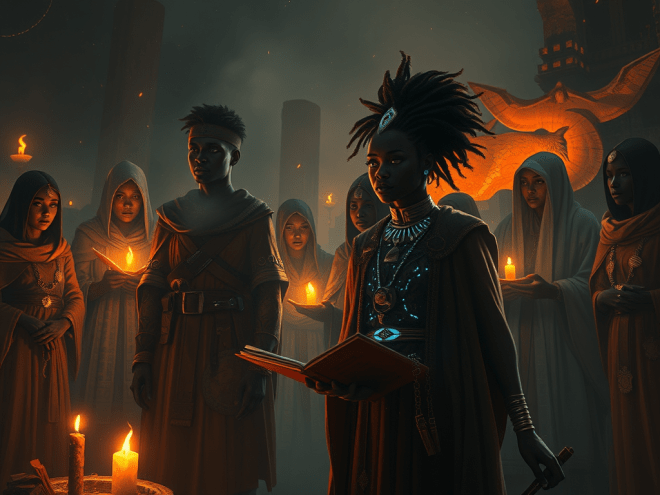
Government officials called her a threat. Churches called her a heretic. The youth called her Mother of the New Dawn.
Asher returned one last time. They met in the ruins of the café where it had all begun.
“Do you love me?” he asked quietly.
She smiled. “You are the mirror I was meant to find. But love is only holy when it serves its purpose. Ours is to remember.”
As he walked away, the wind carried the scent of cedar and flame.
Noluntu stood in the ashes, lifted the book to the sky, and whispered, “Let Judáh rise.”
PART III – The Reign of Judah
Chapter IX | The Lion’s Breath
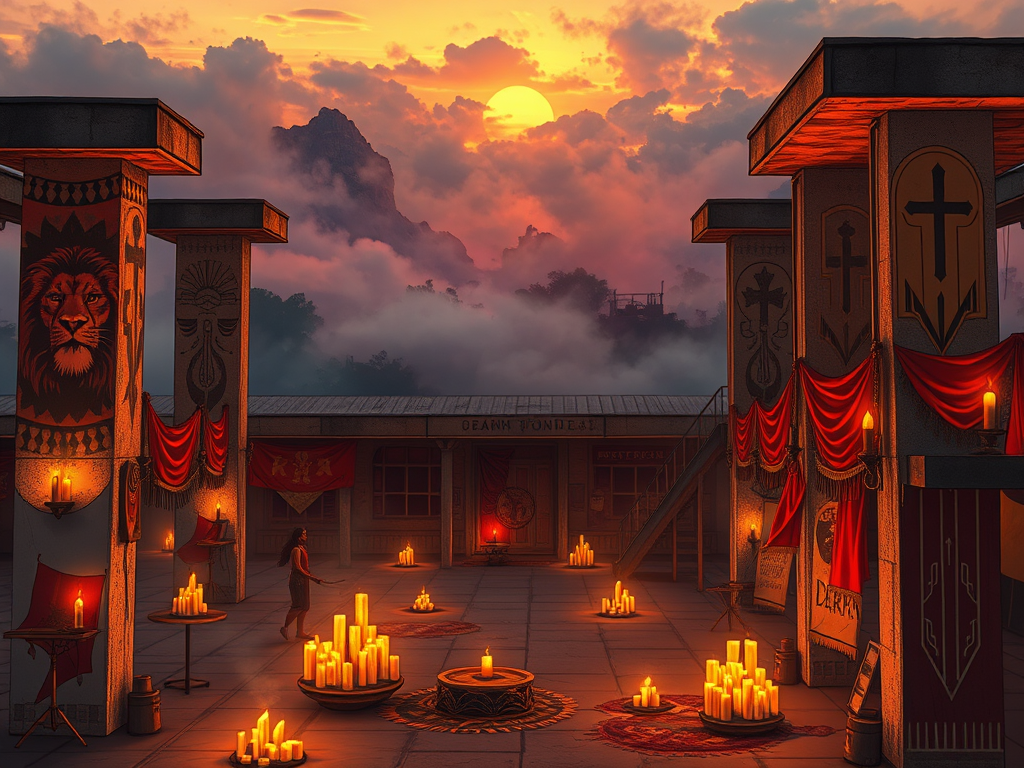
Morning broke like prophecy. A thin mist veiled Johannesburg, softening its edges until the city seemed less concrete, more dream. In that dawn, Noluntu understood that her life had crossed a threshold — not the end of the world, but the beginning of remembrance.
Her book was now a living thing. Its words rearranged themselves with each reading, as if responding to her heartbeat. Passages that once spoke of despair now shimmered with revelation.
She read: “When the lion breathes upon the mountain, every false god will tremble.”
That day, she gathered The Rememberers again — now grown to hundreds, a tide of artists, coders, healers, and visionaries. They met at the disused rail depot in Newtown, now covered in murals and banners. The air pulsed with drums and song.
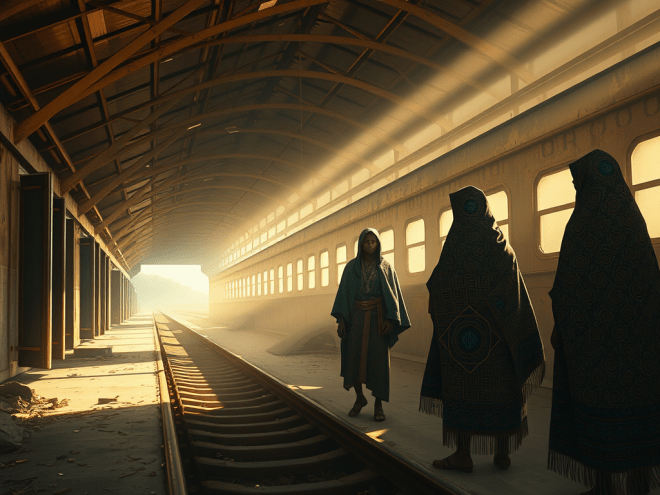
“We are not starting a revolution,” Noluntu said, standing before them. “We are remembering one that began before nations were born.”
She spoke not as a politician, but as something older — a voice of rhythm, of justice, of fierce tenderness. She spoke of the African future as a spiritual inheritance, of a continent once priestly, now reclaiming its forgotten anointing.
A hush fell when she raised her hands. “This is not about vengeance,” she said. “It’s about balance. About healing what was fractured — in land, in lineage, in soul.”
Someone in the crowd shouted, “Amandla!”
Noluntu smiled. “Amandla ngentobeko — power with humility.”
That night, under the new moon, the movement was born — The Covenant of Judáh.

It spread faster than fire, carried through encrypted networks and whispered prayers. Artists turned songs into sermons, hackers defied surveillance, healers opened sanctuaries. Noluntu’s name became code for hope.
But hope, as history knew, never rose unchallenged.
Chapter X | The Serpent’s Teeth
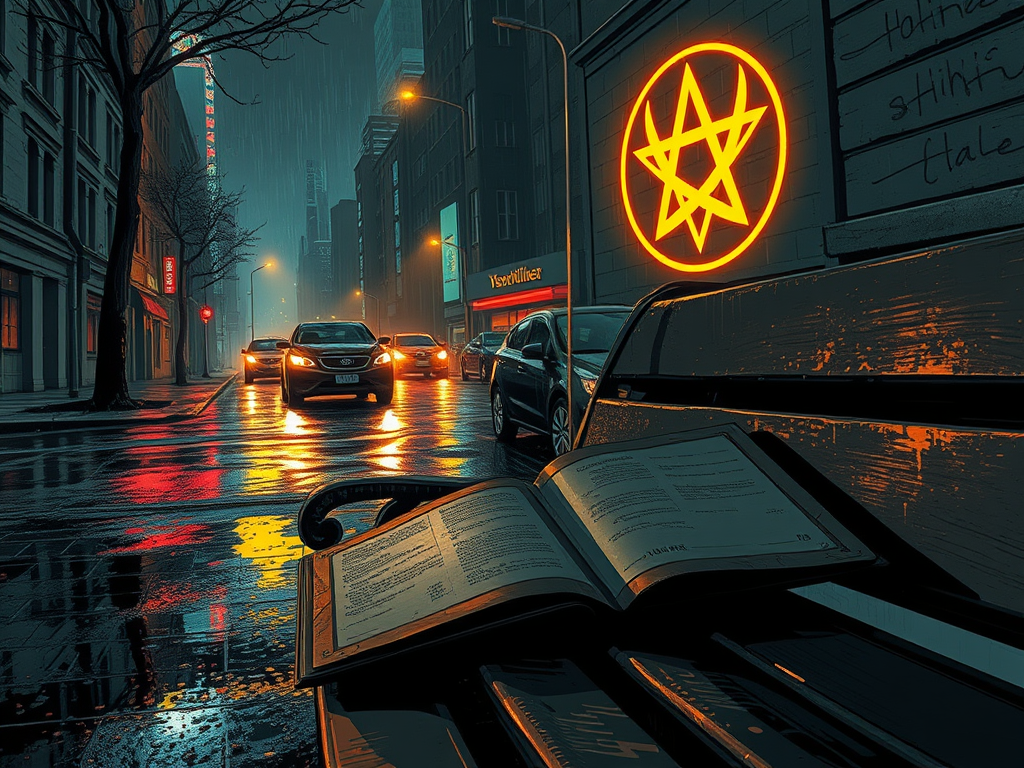
The backlash came swiftly.
News anchors called her a cult leader. Politicians accused her of inciting rebellion. Even old comrades from the liberation struggle condemned her as “a dangerous mystic manipulating youth through witchcraft.”
At first, Noluntu ignored it. But when her closest ally — a journalist named Lindiwe — disappeared after exposing corruption in the energy ministry, silence became complicity.
That night, Noluntu walked alone through Yeoville, her hood pulled low. Every alley whispered with eyes. She could feel them — watchers, agents, spirits, all converging.
At the corner of Rockey Street, she found a black car idling. Inside sat a man she recognized: the lawyer who had handled her uncle’s estate.
He gestured for her to enter. “They know who you are,” he said, voice low. “They’ve been watching you since the funeral.”
“Who?”
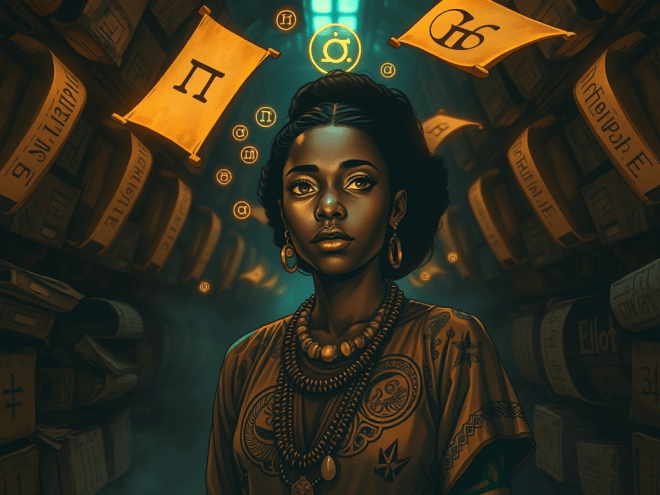
“The same people your uncle worked for. The Ring. They control half the economy, and now they want your movement silenced.”
He handed her a folder. Inside were photos — her meetings, her speeches, even her dreams rendered in strange symbols.
“They fear you because your mother’s prophecy is true,” the man said. “You are the last descendant of the priest-king Zedekiah. And The Ring was built to keep your bloodline hidden.”
Noluntu felt the air constrict. The serpent symbol. The seven doors. The fire. It all circled back.
“What happens if I refuse to hide?”
The lawyer smiled grimly. “Then you’ll have to finish what your uncle began — but this time, cleanse it.”
As she left, she whispered a prayer that was both invocation and vow:
“Let no chain be unbroken that truth cannot burn.”
Chapter XI | The Dance of Fire

Days later, the city erupted.
The Rememberers had grown restless. Peaceful marches turned into occupations, then confrontations. Banners bearing the lion sigil of Judáh flew over buildings. Police lines formed. Tear gas mingled with incense.
Noluntu tried to intervene, but events had outpaced intention. The movement was alive — and wild.
As she stood on the rooftop of the Newtown depot, lightning split the horizon. Rain poured in sheets. She raised her arms, remembering The Mirrorwoman’s words: Power without order becomes ruin.
Asher appeared behind her, soaked and solemn. “You’re standing where kings once fell,” he said.
“Then let them rise again,” she replied.
He touched her shoulder. “You can end this now. Speak the command.”
She closed her eyes and felt the hum of the continent beneath her feet — the pulse of generations, the memory of water, the cry of buried kingdoms.
Then she danced.
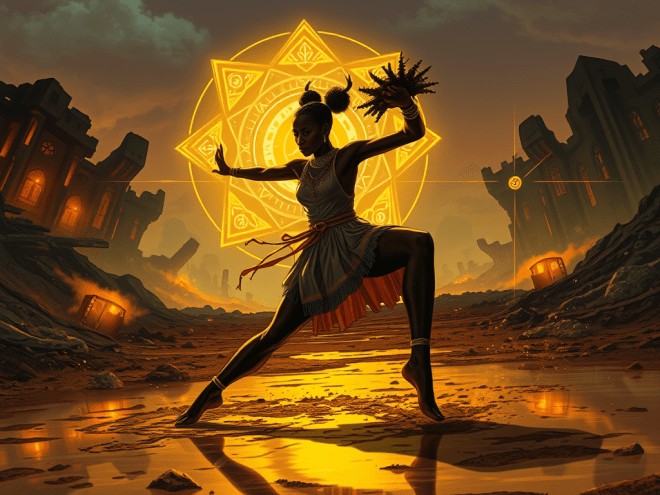
It was the dance of the priestess and the warrior, the ballerina and the witch. Each step invoked an element — earth, air, fire, water, spirit — until the storm itself seemed to answer.
Lightning struck the old train lines, fusing them into a shape: a lion roaring upward. The rain hissed against the fire but could not quench it.
When she stopped, the city was silent. The violence had ceased. The crowd below knelt as if before an altar.
Noluntu spoke softly, almost to herself. “We don’t fight for power. We become it.”
Chapter XII | The Risen Judah

Months passed. Governments fell. Borders shifted. A quiet, radiant order began to emerge — not centralized, but cellular, like roots beneath the soil. Communities organised themselves around new principles of stewardship, art, and spiritual governance.
Noluntu withdrew from the public eye. Rumors said she’d gone to the mountains of Lesotho, others that she’d vanished into the deserts of Namibia. But those who had known her said she hadn’t disappeared — she had expanded.
Her book was finally published — The Book of Fire and Memory. It read like scripture but moved like poetry. Each chapter ended with a prayer disguised as a riddle:
“To build a kingdom, first recall the ruins.
To heal a people, first see their ghosts.”
Its final line simply read: “Judáh is not a nation. It is a consciousness.”
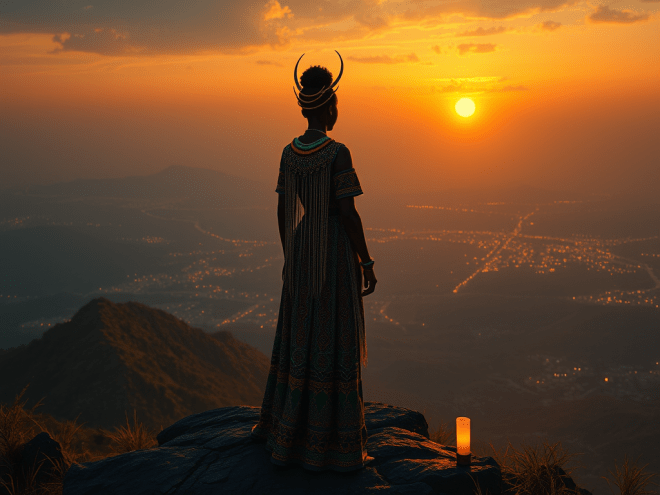
Years later, a child in Alexandria, Egypt, opened a digital archive and found a recording titled Voice of Noluntu. In it, her tone was serene, eternal.
“I am;
in the wind that carries the drums,
in the data that remembers freedom,
in the hearts that dream of Africa awake.
Rise, Judáh.
Rise, and remember.”
The transmission spread through the net like dawn. In Lagos, Nairobi, Kigali, and Cape Town, people paused and looked east. The sun rose blood-red, fierce, alive.
And for the first time in millennia, the continent breathed as one.
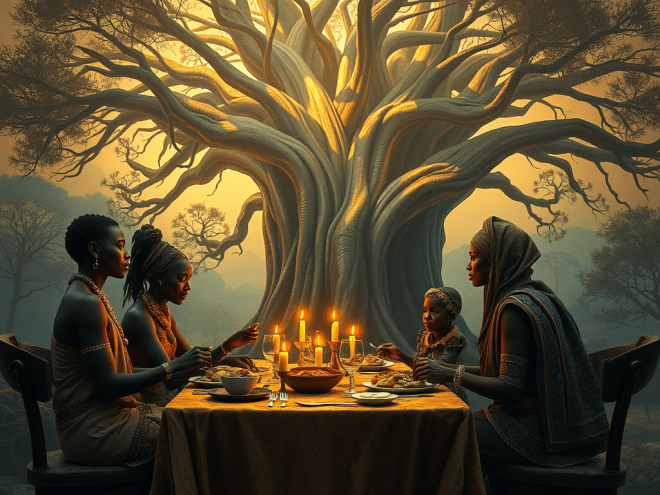
Epilogue
Centuries later, scholars would debate whether The Rising of Judáh was history, myth, or prophecy. But among the villages, they still sang the Song of Noluntu — the one who remembered for them all.
And on certain mornings, when the mist hung low over the mountains, people swore they saw it: Two suns rising side by side.
Author’s Note

To Quench the Fire and Falling for Sadé are two suns rising from the same horizon of my life — one born of vision, the other of memory. Orbiting the same heart.
Similarly, the story of Asher and Noluntu is a meditation on counterparts who have met and remembered each other across ages, drawn together not for possession but for awakening. To Quench the Fire carries the echo of that love through prophecy and revelation, while Falling for Sadé lingers in its quieter chambers — in the pulse of devotion, and in the holy ordinary of love made flesh.
Together, they tell the same story in different tongues: of fire that refines, and love that endures beyond the worlds that burn.
>< Falling for Sadé ><

This collection of writings and recipes traces the arc of a love deeply lived and gently released.
Each piece captures a moment, like polaroids on a kitchen table, paired with a recipe from my former co-conspirator, his way of telling our story through food.
Together, we form a diary in flavour and feeling, for anyone who has cooked, cried, laughed, left, and remembered.

Oleleshrooms
(Mushroom and Spinach Ragout on Fusilli)
“I tell you what,” he said jokingly as he wiped his lip. “In my next life, I’m gonna be a cook.”
Ingredients:
- Fusilli pasta, pre-cooked al dente, drizzled with olive oil and set aside
- Mixed wild mushrooms (any available; include Chinese tree mushrooms if possible)
- Baby spinach leaves, washed, dried, and torn into smaller pieces
- Onions, finely chopped
- Garlic, finely chopped
- 1 glass dry red wine
- Brown sauce mix
- Hungarian spice mix
- Salt and pepper (to taste)
- Parmesan cheese
- Sour cream
- Fresh parsley (for garnish)
- Freshly ground black pepper (for serving)

Instructions:
- Pre-cook fusilli until al dente, drizzle with olive oil, and set aside.
- Sauté onions and garlic in a pan until golden brown.
- Add the mushrooms and spinach; stir thoroughly.
- Pour in the red wine, then add brown sauce mix, Hungarian spice mix, salt, and pepper.
- Cook until the sauce thickens.
- Stir in parmesan cheese and sour cream. Sprinkle parsley on top.
- Place the fusilli in a pasta dish and spoon the ragout over it.
- Offer freshly ground black pepper at the table.
From Lion’s Gate, With Love
(Pizza)
“In the hush between lifetimes,
I found you. By finding myself.
Thirty-five years ahead
and somehow, we arrived together.”
Ingredients:
- 1 pizza base
- Base sauce:
- Tomato purée
- Salt
- Pepper
- Chopped garlic
- Crushed dried chillies
- Italian spice mix
- Dash of Habanero sauce
- Fresh mushrooms, sliced
- Onion, sliced
- ½ avocado, sliced
- 1 packet shredded mozzarella cheese
- 18 Calamata olives
- Baby spinach leaves, washed, dried, and chopped
- Base sauce:
Preparation:
- Precook the mushrooms, drain excess liquid, and set aside.
- Prepare the base sauce by mixing tomato purée, salt, pepper, chopped garlic, crushed dried chillies, Italian spice mix, and a dash of Habanero sauce in a small dish. Set aside.
- Slice fresh mushrooms and onions, and half an avocado.

Instructions:
- Spread the prepared sauce evenly over the pizza base.
- Layer mushrooms, spinach, and onions over the sauce.
- Cover with shredded mozzarella cheese, then evenly place avocado slices and olives on top.
- Bake in the oven at 200°C for about 20 minutes, or until the cheese is molten and medium brown.
- Transfer to a flat pizza plate and cut into eight equal slices with a roller cutter.
- Offer freshly ground black pepper at the table.
Orgasmic
(Fresh, warm liquid eggs from the tap)
“Small rituals of belonging to you.
One. No perfume.”
Ingredients:
- Trust
- Patience
- Tenderness
- Presence

Instructions:
- Offer without hesitation.
- Let it flow freely.
- Savour with open senses and an open heart.
- No utensils or seasoning needed.
Daddy’s Rice
(Spicy Rice and a Medley of Veggies)
“And then, that smile that always comes before your honesty:
“I don’t believe in God — But I’ve borrowed my father’s truth:
Help yourself, so help you God.” “
Ingredients:
- Long-grain rice, cooked until al dente and set aside
- Onions, finely chopped
- Garlic, finely chopped
- Crispy pre-fried onions
- Fresh vegetables (any available, similar to stir-fry vegetables), sliced
- Butter (for sautéing vegetables)
- Vegetable oil
- Hot curry powder
- Cayenne pepper
- Salt
- White pepper
- Vegetable stock powder
- Habanero sauce (to taste)
- Freshly ground black pepper (for serving)
Preparation:
- Cook the rice until al dente and set aside.
- Finely chop onions and garlic.
- Slice fresh vegetables of your choice (similar to stir-fry vegetables), sauté them in butter, keep warm, and set aside.

Instructions:
- In a pan, heat vegetable oil and add both the raw and crispy pre-fried onions along with garlic. Fry until the onions start to brown.
- Add the cooked rice and mix with the onion mixture.
- Season with hot curry powder, cayenne pepper, salt, white pepper, vegetable stock powder, and Habanero sauce to taste.
- Mix thoroughly, then plate the rice on a flat dish.
- Arrange the sautéed vegetables on top and offer freshly ground black pepper.
Between the Buns
(Burger)
“I surrendered — arching, trembling, gripping, dissolving.
Room became sky, and I — Ocean.”
Ingredients:
- Mayonnaise
- Lemon juice
- Creamed horseradish
- Ketchup
- Salt
- Cayenne pepper
- Dill
- Large sesame burger bun (halved)
- Tomatoes, thinly sliced
- Pickled gherkins, thinly sliced
- Onions, thinly sliced
- Crispy lettuce leaves, washed and dried
- 1 hard-boiled egg, sliced
- 2 slices Emmenthaler cheese
- Mushrooms, sliced
- Red wine (a few dashes)
- Hot water (small amount)
- Brown sauce (or a stock cube dissolved in water)
- Tabasco Sriracha sauce
- Freshly ground black pepper
Preparation:
- Mix mayonnaise with lemon juice, creamed horseradish, ketchup, salt, cayenne pepper, and dill. Set aside.
- Lightly toast both halves of the sesame burger bun and set aside.
- Prepare the toppings: slice tomatoes, pickled gherkins, onions, and the hard-boiled egg. Set aside the lettuce leaves and Emmenthaler cheese slices.
- In a small pan, cook sliced mushrooms with a few dashes of red wine. Add a little hot water and stir in brown sauce (or a dissolved stock cube). Season with salt and pepper, and cook until the sauce thickens.

Instructions:
- Spread the prepared pink sauce over each toasted bun half.
- Layer with lettuce, tomato, gherkin, onion, and egg slices.
- Spoon over the thickened mushroom sauce, then place the cheese slices on top.
- Air-fry both halves at 200°C for about 1 minute, or until the cheese begins to melt.
- Finish with red dots of Tabasco Sriracha and offer freshly ground black pepper.
Le-love-le
(Mixed Salad)
“But when he looked at her in that boyish way, full of humour and mischief, she could not resist. Her face shone as she shook her head and laughed generously.
It was a warm laughter that took over her whole body.”
Dressing (prepare in advance):
- Balsamic vinegar
- Salt
- White pepper
- White sugar
- Dash of water
- Olive oil
- Parmesan cheese
- Crushed garlic
Salad Ingredients:
- Tomatoes, sliced
- Cucumber, sliced
- Freshly boiled egg, sliced
- Onions, sliced
- Coleslaw (generous portion)
- Optional: crispy lettuce, cubed spanspek melon (refreshing in summer), Emmenthaler cheese

Instructions:
- Prepare the dressing in advance and set aside.
- Slice the salad ingredients and combine them in the dressing.
- Toss gently to coat, then serve in a deep bowl.
- Offer freshly ground black pepper at the table.
Lelelicious
(Stir-fry)
“The landscape below stretched open in worship. Sunlight rested tenderly over the Creation of a Holy God. On the wall above the bed, a singular Chinese fan opened like a celestial wing – part shade, part sentinel, part grace.
Life breathed into the room, slow and sacred. The space had a mythic stillness, as if time bent slightly around it.”
Ingredients:
- Penne (or spaghetti), pre-cooked and set aside
- Mushrooms, sliced (slightly chunky)
- Onions, sliced (slightly chunky)
- Red peppers, sliced (slightly chunky)
- Yellow peppers, sliced (slightly chunky)
- Fresh red chillies, sliced (slightly chunky)
- Baby marrows, sliced (slightly chunky)
- Petit pans, sliced (slightly chunky)
- Baby spinach leaves, washed and dried
Spices & Sauces:
- Green Kikkoman soy sauce
- Conimex Ketjap Manis
- Hot curry powder
- Habanero sauce
- Chopped garlic
- Salt

Instructions:
- Preheat vegetable oil in a wok to 200°C.
- Add onions, garlic, and mushrooms; sauté briefly.
- Add spinach and stir until softened.
- Add remaining vegetables.
- Season with the spices and sauces to taste, then add the penne.
- Stir thoroughly for about 5 minutes, keeping the vegetables and pasta al dente.
- Serve in a large bowl and offer freshly ground black pepper.
SpagMex
(Spaghetti topped with a Mexican Delight)
“Love is rhythm. A remembering.
I watched you remember every day—
In how you fed the animals,
spoke to the flame, answered your mother’s voice.
In how you held the past without flinching.”
Ingredients:
- Spaghetti
- Olive oil
- Tomato purée
- Onions, chopped
- Garlic, chopped
- Fresh red chillies, chopped
- Yellow and red peppers, sliced
- White wine (a dash)
- Brown sauce powder
- Mexican spice mix
- Salt
- Parmesan cheese
- Freshly ground black pepper
Preparation:
- Pre-cook spaghetti until al dente.
- Toss with olive oil to prevent sticking and set aside.
- In a pot, combine tomato purée, chopped onions, garlic, fresh red chillies, sliced yellow and red peppers, a dash of white wine, brown sauce powder, Mexican spice mix, and salt.

Instructions:
- Cook the sauce in the pot until thickened.
- Place the spaghetti in a pasta bowl and reheat briefly in the microwave.
- Top with the thickened sauce and finish with a sprinkle of parmesan cheese.
- Offer freshly ground black pepper at the table.
Eggs on a “Sdick”
(Fried Eggs on Pretzel Stick for Breakfast)
“They sat in a deliberate silence at the table as the flames of six candles danced in mock romance, illuminating the tension beneath the surface of the air around them. She spoke first.”
Ingredients:
- Salted pretzel stick
- Garlic and chili butter
- 2 large eggs
- Hot curry powder
- Fresh parsley
Preparation:
- Air-fry the pretzel stick until soft inside and slightly crispy outside.
- Spread garlic and chili butter evenly on each half of the pretzel stick.

Instructions:
- Fry two large eggs, cooking the whites fully while keeping the yolks runny.
- Place the fried eggs on top of the buttered pretzel halves.
- Sprinkle hot curry powder and fresh parsley on top before serving.
Bubbles and Berries
“Use my name when you tell the story.”
Ingredients:
- Bottle of sparkling wine
- Raspberries
- Blueberries
Preparation:
- Pre-chill the bottle of sparkling wine.
- Wash and prepare raspberries and blueberries.

Instructions:
- Serve the sparkling wine in a Champagne flute.
- Enjoy alongside fresh raspberries and blueberries, especially refreshing in summer.
9.8.25
 Lele Muthali